The Biggest Game Show Cheaters in History
Get ready to dive into a world where winning wasn't enough for some folks – they had to bend the rules, break the norms, and cheat their way to the top of the game show leaderboard. From sneaky scheme...
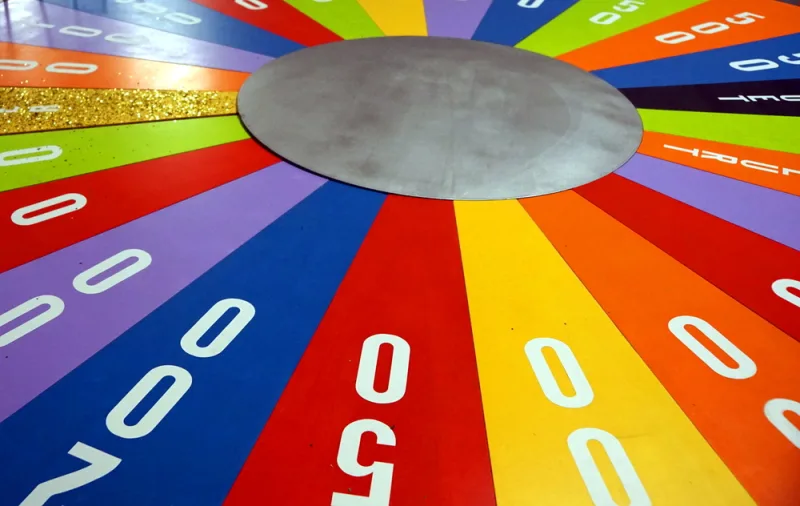
Get ready to dive into a world where winning wasn't enough for some folks – they had to bend the rules, break the norms, and cheat their way to the top of the game show leaderboard. From sneaky schemes to high-tech tricks, these cheaters left an indelible mark on the history of game shows. Buckle up, because we're about to uncover five instances of the biggest game show cheaters in history, and trust me, it's a rollercoaster of scandalous tales!
1. Charles Ingram: The "Who Wants to Be a Millionaire?" Scandal
Let's kick off with a tale that sounds like it's straight out of a movie plot. Enter Charles Ingram, a former British Army major who found himself at the center of a massive scandal on the hit show "Who Wants to Be a Millionaire?" Ingram managed to snag the £1 million prize, but his victory was anything but noble. Ingram's scheme involved his wife, Diana, and a coughing accomplice in the audience who coughed to signal correct answers. As he climbed the ladder of questions, the suspicious coughs grew more frequent. The result? An investigation, a trial, and the revelation that Ingram had cheated his way to the jackpot. He was convicted of deception and fined.
2. Michael Larson: The Mastermind Behind the "Press Your Luck" Heist
Now, picture this: a man named Michael Larson who cracked the code to the game show "Press Your Luck" in the 1980s and walked away with a jaw-dropping $110,237 in winnings. How did he do it? Well, Larson noticed a pattern in the show's light patterns that determined where the randomizer would stop. Armed with this knowledge, he strategically timed his button presses to land on the highest paying spaces. Larson's streak of luck (or was it cunning?) left show producers puzzled and led to a thorough investigation. While he didn't technically break any rules, his clever manipulation of the game's mechanics definitely left an indelible mark on game show history.
3. Terry Kniess: "The Price Is Right" Guru
You might think it's all fun and games on "The Price Is Right," but Terry Kniess had other plans. He cracked the pricing code on the show's iconic "Showcase Showdown" segment. Kniess, a loyal viewer of the show, noticed that the prices of the showcase items were often reused. Armed with this information, he managed to get within $1 of the actual retail price in his showcase – twice! Kniess' deep understanding of the show's strategies and his incredible luck raised eyebrows and left show producers scratching their heads. While his methods might not have been outright cheating, they definitely pushed the boundaries of what's fair play on a game show.
4. Adriana Abenia: The Spanish Quiz Show Scandal
Now, let's hop across the pond to Spain, where a scandal involving the quiz show "Pasapalabra" sent shockwaves through the nation. Contestant Adriana Abenia found herself in hot water when viewers noticed that her behavior on the show seemed oddly familiar – almost as if she had insider knowledge. It turns out, Abenia had previously been a host on a TV show where she interviewed celebrities and asked them questions – questions that were eerily similar to the ones she encountered on "Pasapalabra." Her familiarity with the answers raised suspicions of cheating, and while it wasn't a case of high-tech trickery, it definitely highlighted the thin line between legitimate knowledge and unfair advantage.
5. Robert Serotic: The Rigged "Twenty-One" Champion
Let's round off our list with a trip back to the 1950s, when the quiz show "Twenty-One" was at the height of its popularity. Contestant Robert Serotic made waves by revealing that he had been provided with answers in advance, essentially rigging the game. Serotic's confession opened a can of worms and led to a widespread investigation into quiz show cheating. Serotic's revelations exposed a darker side of the industry, where the quest for ratings and entertainment led to behind-the-scenes manipulation. This scandal marked a turning point in the history of game shows, prompting reforms and changes to ensure that future game shows would maintain fairness and integrity.