Five Events That Could Have Ended the World
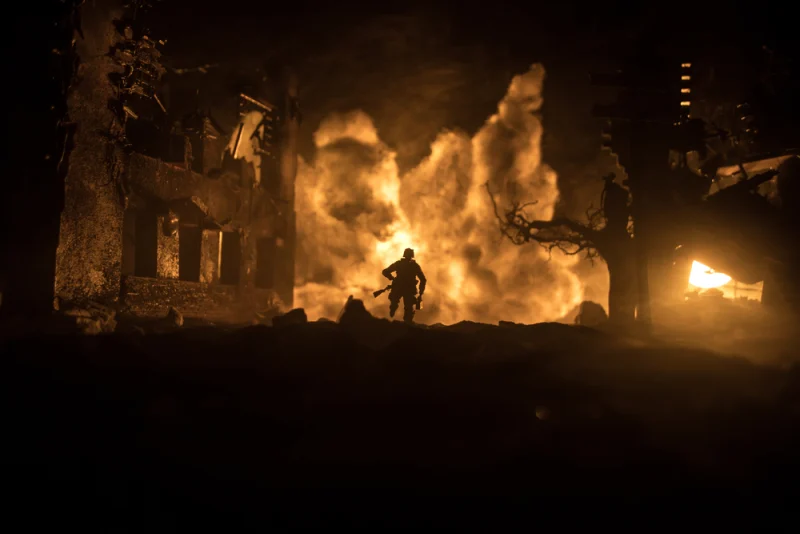
Let's take a mind-boggling trip down memory lane and explore some moments when our world was hanging by the thinnest of threads. From nuclear close calls to cosmic near-misses, these events had us col...
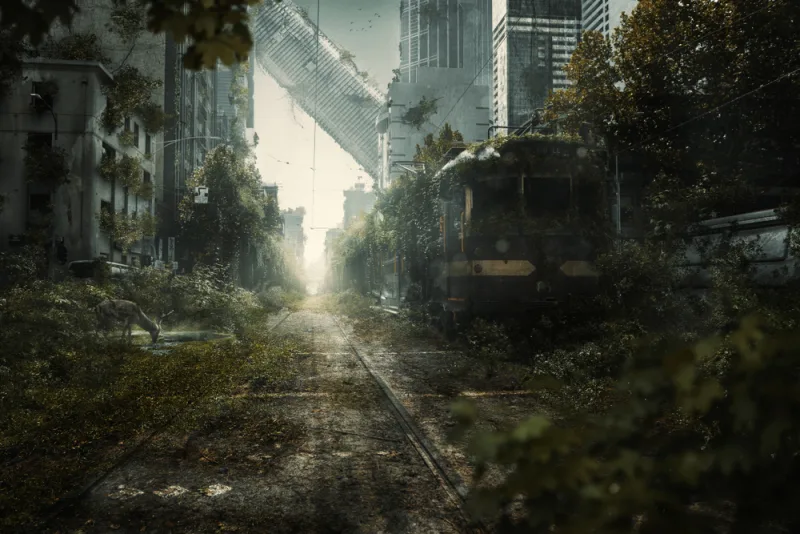
Let's take a mind-boggling trip down memory lane and explore some moments when our world was hanging by the thinnest of threads. From nuclear close calls to cosmic near-misses, these events had us collectively holding our breaths. So, buckle up as we delve into five heart-pounding instances that could've brought the curtain down on our blue planet.
1. Cuban Missile Crisis: The Ultimate Cold War Showdown
Picture this: it's 1962, and the world is on the brink of a nuclear war. The United States and the Soviet Union are locked in a tense standoff over Soviet missiles in Cuba. Tensions soar, fingers hover over red buttons, and humanity collectively holds its breath. In a high-stakes game of geopolitical chess, leaders on both sides tread cautiously, knowing that one wrong move could spell disaster. Thankfully, cooler heads prevailed. Diplomacy triumphed over destruction, and a deal was struck. The missiles were removed from Cuba, and the world let out a sigh of relief.
2. The Tunguska Event: A Cosmic Near-Miss
Fast forward to 1908, when a mysterious explosion rocked the Siberian wilderness. The Tunguska event, as it's now known, was caused by a massive airburst of a comet or asteroid. The explosion flattened over 2,000 square kilometers of forest, releasing energy equivalent to a powerful nuclear bomb. Had the explosion occurred just a few hours later and over a populated area, the consequences could have been catastrophic. The Tunguska event serves as a cosmic reality check. It's a stark reminder that our planet isn't impervious to space's wild wonders, and a close encounter with a massive space rock is more than just a sci-fi scenario. While we can't predict or prevent every cosmic threat, events like Tunguska remind us to keep an eye on the skies and be prepared for the unexpected.
3. The Able Archer 83 Exercise: When Simulations Escalated to Reality
Flashback to 1983, the height of Cold War tensions. The United States and its NATO allies conducted a military exercise called Able Archer 83, simulating a series of responses to a fictional Soviet attack. Little did they know, the Soviets were watching closely, interpreting the exercise as a potential cover for an actual surprise attack. In response, the Soviet Union prepared its nuclear forces for a potential conflict. Thankfully, the crisis was averted due to a combination of open communication and sheer luck. The incident underscores how easily misunderstandings and misinterpretations can escalate, especially in the high-stakes world of international relations.
4. The 1980 NORAD Computer Glitch: False Alarms and Heart-Stopping Moments
Let's rewind to 1980, when a computer glitch at the North American Aerospace Defense Command (NORAD) sent shockwaves through the system. The glitch generated false alarms suggesting a full-scale Soviet nuclear attack. As tensions mounted and panic rippled through the command center, it took the keen instincts of a single individual, Lieutenant Colonel Stanislav Petrov of the Soviet Air Defense Forces, to prevent a catastrophic response. Petrov's decision to dismiss the warning as a false alarm was a brave and fateful one. It turned out that the system had indeed malfunctioned, and the world was spared a nuclear nightmare.
5. Y2K Panic: When Computers Threatened to Throw the World into Chaos
As the clock struck midnight on December 31, 1999, the world held its breath. The Y2K bug, a programming issue that could have caused computer systems to malfunction due to the year 2000, was feared to wreak havoc on global infrastructure. People stockpiled supplies, fearing that critical systems would fail, leading to a cascade of disasters. While the Y2K panic might seem humorous in retrospect, it showcased the extent to which our modern lives are intertwined with technology. Years of preparation and debugging prevented widespread chaos, but the scare serves as a cautionary tale about the unintended consequences of our reliance on complex systems.