The Worst Environmental Disasters We Caused
As human activities and industrialization have expanded, so has the potential for environmental disasters caused by our actions. The Earth has experienced several catastrophic events that resulted in...
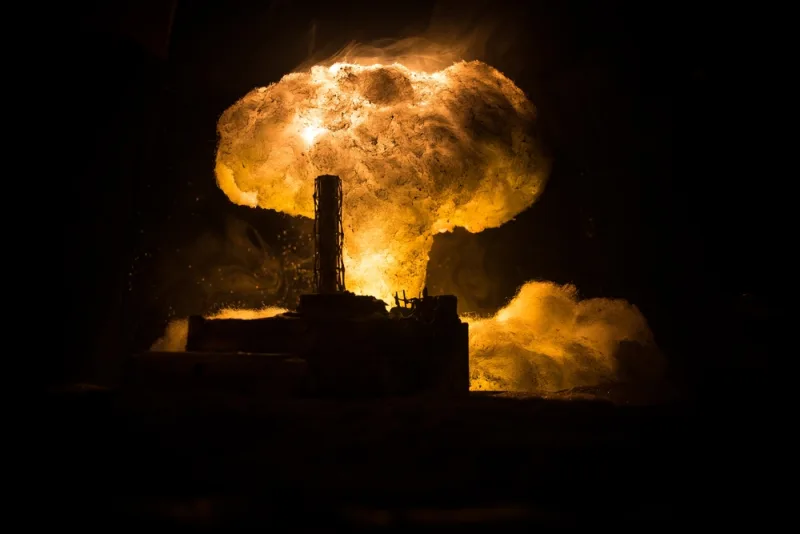
As human activities and industrialization have expanded, so has the potential for environmental disasters caused by our actions. The Earth has experienced several catastrophic events that resulted in irreversible damage to ecosystems, wildlife, and human health. Today, we’ll delve into five of the worst environmental disasters caused by human intervention, highlighting the devastating consequences of our actions on the planet.
1. Chernobyl Nuclear Disaster, Ukraine (1986)
The Chernobyl Nuclear Power Plant disaster in Ukraine is one of the most infamous environmental catastrophes in history. On April 26, 1986, during a safety test, a sudden power surge in reactor number four caused a massive explosion, releasing large quantities of radioactive material into the atmosphere. The resulting fire burned for days, releasing a plume of highly radioactive particles that spread across Europe, affecting millions of people. The radioactive fallout led to acute radiation sickness in workers at the plant and nearby residents, causing immediate deaths and long-term health issues. The worst-hit areas were evacuated and declared exclusion zones to prevent further exposure. Decades later, the Chernobyl Exclusion Zone remains uninhabitable due to the lingering radiation levels. The environmental impact of the Chernobyl disaster is extensive, with long-term damage to flora and fauna, as well as genetic mutations in wildlife.
2. Deepwater Horizon Oil Spill, Gulf of Mexico (2010)
The Deepwater Horizon oil spill in the Gulf of Mexico stands as the largest marine oil spill in history, resulting in devastating consequences for marine life and coastal ecosystems. On April 20, 2010, the Deepwater Horizon drilling rig suffered a blowout, leading to a catastrophic explosion and the sinking of the rig. Over the course of 87 days, approximately 4.9 million barrels of oil gushed into the Gulf of Mexico, causing widespread pollution and environmental damage. The oil spill severely impacted marine species, including fish, birds, and marine mammals, with extensive oiling of nesting areas and crucial habitats. It affected fishing and tourism industries, causing economic hardship for coastal communities. Cleanup efforts were difficult and expensive, and some of the long-term ecological consequences are still being studied.
3. Bhopal Gas Tragedy, India (1984)
The Bhopal Gas Tragedy is one of the worst industrial disasters in history, resulting in the release of deadly methyl isocyanate gas from a pesticide plant in Bhopal, India. On December 2-3, 1984, the gas leak led to the immediate death of thousands of people and exposed over half a million others to toxic gases, resulting in severe health issues. The exact number of deaths remains uncertain, but it is estimated that the disaster caused tens of thousands of fatalities. The environmental impact of the Bhopal Gas Tragedy was significant, with contaminated groundwater and soil, affecting local ecosystems and agriculture. The long-term health consequences of the gas exposure continue to impact generations of survivors.
4. Exxon Valdez Oil Spill, Alaska, USA (1989)
The Exxon Valdez oil spill off the coast of Alaska in 1989 is considered one of the most devastating environmental disasters in the United States. The oil tanker, Exxon Valdez, ran aground in Prince William Sound, releasing approximately 11 million gallons of crude oil into the pristine waters of the sound. The spill impacted over 1,300 miles of coastline, including critical habitats for numerous species of wildlife, such as sea otters, seals, seabirds, and fish. The oil spill had a severe impact on local fishing and tourism industries, devastating the livelihoods of coastal communities. Despite cleanup efforts, significant amounts of oil remained in the environment for years, leading to long-term damage to marine ecosystems and wildlife populations.
5. Love Canal Environmental Disaster, New York, USA (1978)
The Love Canal environmental disaster in Niagara Falls, New York, brought to light the severe consequences of improper waste disposal and toxic contamination on residential communities. In the 1940s and 1950s, the Love Canal area was used as a dumping site for chemical waste, including toxic substances from various industries. In the 1970s, an unusually high number of birth defects and health issues among residents alerted authorities to the hazardous conditions in the area. Investigations revealed that the chemical waste buried at Love Canal had contaminated the soil, groundwater, and air, posing significant health risks to residents. As a result, over 800 families were evacuated, and the area was designated as a Superfund site by the Environmental Protection Agency (EPA).