The Ways Queen Elizabeth's Death Changed Great Britain
The passing of Queen Elizabeth II marked the end of an era and brought significant changes to Great Britain. As the longest-reigning monarch in British history, her death had a profound impact on the...
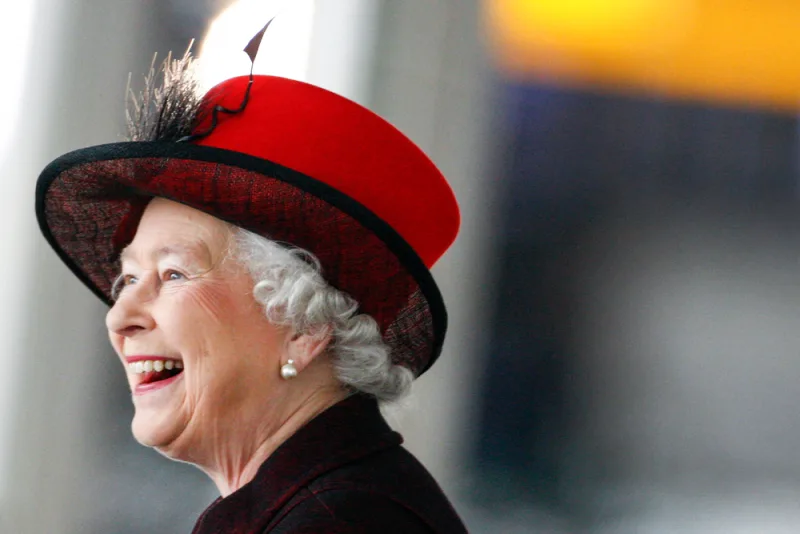
The passing of Queen Elizabeth II marked the end of an era and brought significant changes to Great Britain. As the longest-reigning monarch in British history, her death had a profound impact on the nation and its people. So today, we’ll dive into the ways Queen Elizabeth's death has already changed Great Britain, from shifts in the monarchy to cultural transformations. Let's delve into the post-Elizabethan era and its lasting effects.
1. Monarchy and Succession
Queen Elizabeth's death signaled a transition in the monarchy, as her successor ascended to the throne. The new monarch's reign brought with it a fresh era of leadership and a shift in the dynamics of the royal family. The transition from Queen Elizabeth's reign to the next monarch, whether it be her direct successor or a new royal figure, inevitably brings a change in style, priorities, and public perception of the monarchy. King Charles’s approach to governance, his engagement with the public, and his relationship with the government will all play a role in shaping the monarchy's image. This transition period can lead to adjustments in the monarchy's role and influence, influencing the public's perception of the institution and its relevance in modern society.
2. National Mourning and Remembrance
Queen Elizabeth's passing sparked a period of national mourning and remembrance throughout Great Britain. The loss of a monarch who had reigned for several decades and was widely respected and admired brought the nation together in mourning. From public displays of grief to solemn ceremonies, the country came together to honor Queen Elizabeth's legacy and reflect on her contributions to the nation. The period of mourning also provided an opportunity for the nation to reflect on its identity and values. It allowed for discussions on the monarchy's role in the modern era and the symbolism it holds for the British people.
3. Cultural Shifts and National Identity
Queen Elizabeth's death had a significant impact on British culture and the nation's sense of identity. As a beloved figurehead, her passing prompted reflections on the values and traditions that define Great Britain. It provided an opportunity for the nation to examine its cultural heritage and reassess its place in a rapidly changing world. The transition following Queen Elizabeth's death can lead to shifts in cultural expressions, artistic representations, and societal norms. It can inspire creative works that reflect on the nation's history and contemplate its future. Additionally, the period of transition can spark discussions on national identity, prompting individuals to reevaluate what it means to be British and how that identity can evolve in the face of social, political, and global challenges.
4. Political Landscape
The death of Queen Elizabeth inevitably has implications for the political landscape of Great Britain. The monarchy, although a constitutional institution with limited political power, plays a symbolic role in the governance of the nation. The transition to a new monarch can bring changes in the dynamics between the monarchy and the government, influencing the perception of the monarchy's role in political affairs. Furthermore, a change in monarch can impact public opinion and potentially influence political discourse. King Charles can shape public perceptions of the government and its relationship with the monarchy.
5. International Relations
Queen Elizabeth's reign had a significant impact on Great Britain's standing in the international community. Her passing, and the subsequent changes in leadership, can bring shifts in foreign relations and diplomatic engagements. King Charles can provide an opportunity for the nation to redefine its international image and reassess its global partnerships. His approach to international diplomacy, their involvement in global issues, and their interactions with other world leaders can shape Great Britain's relationships with other countries. It can influence trade agreements, alliances, and the nation's role on the global stage. The period following Queen Elizabeth's death is a crucial time for Great Britain to navigate its international relations and position itself in an ever-changing geopolitical landscape.