The Times When Britain Said "No" to Free Speech
Freedom of speech is a fundamental pillar of a democratic society, allowing individuals to express their thoughts, opinions, and ideas without fear of censorship or reprisal. However, throughout histo...
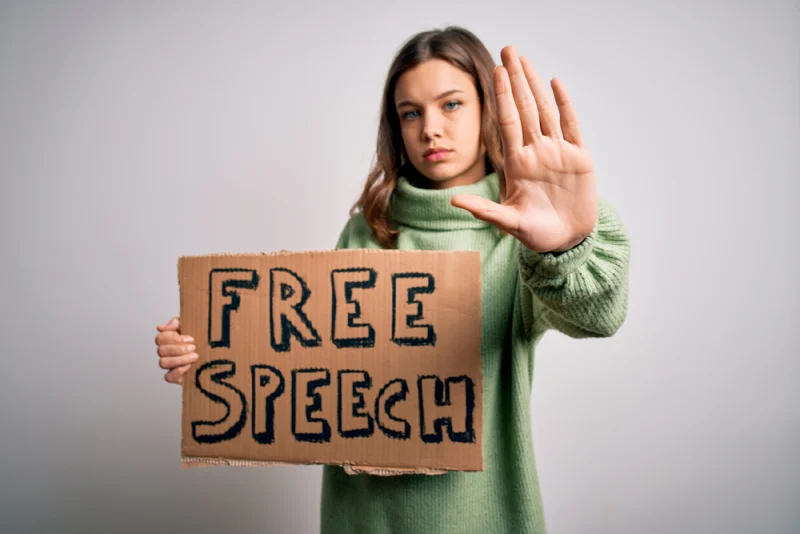
Freedom of speech is a fundamental pillar of a democratic society, allowing individuals to express their thoughts, opinions, and ideas without fear of censorship or reprisal. However, throughout history, there have been instances when even democratic nations have restricted free speech for various reasons. So, we’ll look at five significant moments in British history when the country, known for its commitment to civil liberties, said "no" to free speech. These incidents reflect the delicate balance between protecting national security, maintaining social order, and safeguarding individual rights.
1. The Official Secrets Act
The Official Secrets Act, initially enacted in 1911 and subsequently revised, has been used to restrict free speech in matters of national security. This legislation has criminalized the disclosure of certain information deemed vital to the security and interests of the United Kingdom. While there is a legitimate need to protect sensitive information, the broad scope of the Official Secrets Act has raised concerns about potential abuses and hindered open discussions on matters of public interest.
2. The Banning of Books
Throughout history, the British government has banned books on various grounds, including obscenity, blasphemy, and sedition. Notable examples include the banning of D.H. Lawrence's novel "Lady Chatterley's Lover" in 1960 and Salman Rushdie's "The Satanic Verses" in 1989. These bans sparked debates about the limits of free speech, artistic expression, and the role of government in determining what should be deemed offensive or harmful.
3. Suppression of Political Dissent
Throughout British history, there have been periods when the government curtailed free speech to maintain social order and stability. One notable example is the period of political unrest during the Irish Republican Army (IRA) bombings in the 1970s. In response, the British government introduced the Prevention of Terrorism Act, which granted authorities extensive powers to detain and question individuals suspected of involvement in terrorism. While aimed at preserving national security, these measures restricted free speech by suppressing political dissent and raising concerns about civil liberties and the potential abuse of power.
4. Controversies Surrounding Blasphemy Laws
Historically, Britain had laws prohibiting blasphemy, which restricted speech deemed offensive to religious sensibilities. While these laws have been gradually repealed, controversies surrounding them have emerged. The existence of blasphemy laws limited free speech by inhibiting open discussions on religion and belief. Critics argued that such laws favored certain religious beliefs and hindered critical examination or expression of alternative viewpoints. The repeal of blasphemy laws has been seen as a step towards promoting freedom of speech and accommodating diverse perspectives.
5. Hate Speech Laws
In recent years, Britain has enacted legislation to combat hate speech and protect marginalized communities. While the intention is commendable, the implementation of hate speech laws has raised concerns about the potential impact on free speech. These laws aim to prohibit speech that incites violence or promotes discrimination based on characteristics such as race, religion, or sexual orientation. However, critics argue that these laws risk stifling open dialogue and limiting the free exchange of ideas, as what constitutes hate speech can be subjective and subject to interpretation. Balancing the need to protect vulnerable communities with the preservation of free speech remains a challenge.