The Things CSI Shows Get Wrong
We've all been there – binge-watching episode after episode of CSI shows, captivated by the intrigue and suspense as investigators crack complex cases. But have you ever wondered just how accurate tho...
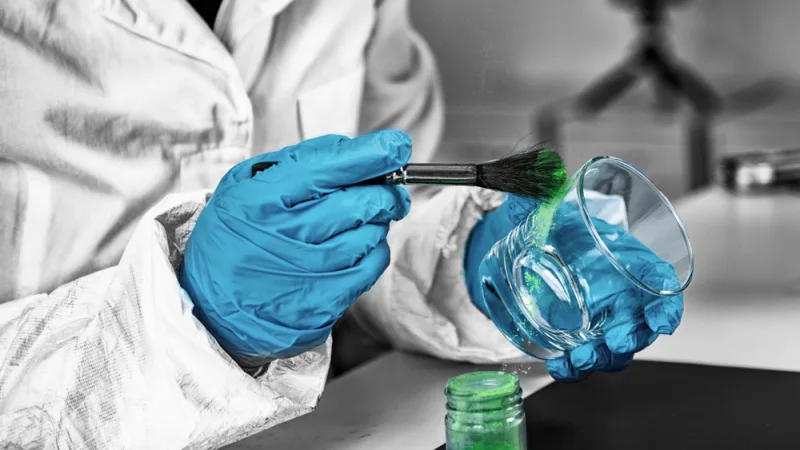
We've all been there – binge-watching episode after episode of CSI shows, captivated by the intrigue and suspense as investigators crack complex cases. But have you ever wondered just how accurate those crime-solving antics really are? While these shows are undeniably entertaining, they often take a few creative liberties that might leave real-life forensic experts scratching their heads. So, grab your magnifying glass and let's dive into the world of crime scene investigations, as we unravel five things that CSI shows frequently get wrong – all in the name of dramatic flair.
1. The Speed of Forensic Analysis
In the realm of CSI shows, forensic analysis happens at lightning speed. Blood tests, DNA analysis, and fingerprint comparisons seem to occur in the blink of an eye, often within the same episode. However, in the real world, forensic analysis is a painstaking process that requires time, precision, and meticulous attention to detail. DNA testing, for instance, can take days or even weeks to yield conclusive results, and fingerprint comparisons demand careful examination by skilled professionals. While we love the thrill of instant results on our screens, real-life investigators invest the necessary time and expertise to ensure accuracy and integrity in their findings.
2. Super Sleuths Doing It All
On CSI shows, it's not uncommon to see a single investigator juggling a myriad of roles, from collecting evidence at crime scenes to analyzing data in the lab and even interrogating suspects. While this makes for captivating television, it's far from the reality of professional crime scene investigations. In real life, CSI teams are comprised of specialized experts, each with their own distinct skill sets. A forensic analyst might excel at examining blood spatter patterns, while a fingerprint expert focuses solely on identifying unique ridge patterns. This division of labor ensures that each piece of evidence is analyzed by the most qualified professional, minimizing the risk of errors or oversights.
3. Enhancing Images to Perfection
Ah, the infamous "zoom and enhance" trope – a staple in CSI shows where investigators effortlessly transform blurry, pixelated images into crystal-clear visuals. While this makes for riveting television, the reality is far less magical. Enhancing images to an unrealistic level of detail simply isn't feasible. In truth, once an image is captured at a certain resolution, there's a limit to how much detail can be extracted from it. While advancements in technology have improved image enhancement capabilities, the process is far from instantaneous and requires specialized software and expertise.
4. Luminol Magic
If you've watched CSI shows, you're likely familiar with the dramatic scenes where investigators spray a room with luminol, revealing hidden bloodstains that fluoresce under UV light. While luminol is indeed a valuable tool for detecting traces of blood, its portrayal in crime shows can be misleading. Luminol doesn't exclusively react to blood – it can also respond to other substances, such as bleach and certain cleaning products. This means that a positive luminol reaction doesn't definitively confirm the presence of blood. Moreover, the intensity of the reaction can vary, making it crucial for forensic experts to conduct confirmatory tests to determine if the substance is indeed blood.
5. Unrealistic Autopsies
CSI shows often depict autopsies as swift and streamlined processes, with the cause of death neatly unraveling within minutes. In reality, autopsies are intricate procedures that involve a thorough examination of the body, internal organs, and tissues to determine the cause and manner of death. Depending on the complexity of the case, an autopsy can take several hours or even days to complete. Moreover, the process doesn't provide instant answers; the results of toxicology tests, for example, can take weeks to be finalized. While the suspenseful portrayal of autopsies adds drama to crime shows, it's important to remember that real-life forensic experts meticulously analyze every detail to ensure accuracy in their findings.