The Shocking Ways Prison is Easier Than Life Outside
When we think of prison, we often imagine it as a harsh and restrictive environment, a place of punishment and confinement. However, there are instances where life inside prison can present certain as...
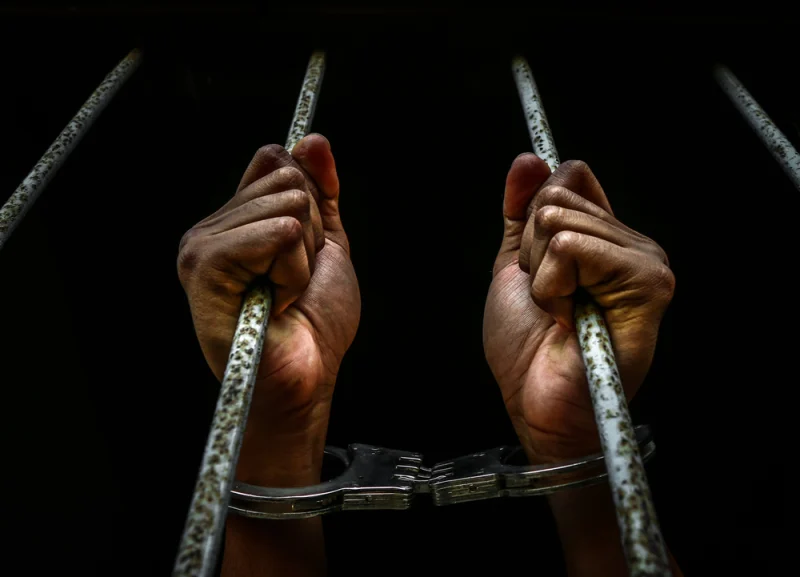
When we think of prison, we often imagine it as a harsh and restrictive environment, a place of punishment and confinement. However, there are instances where life inside prison can present certain aspects that make it surprisingly easier than life on the outside. So, we’ll explore five shocking ways in which prison can provide certain comforts and stability that may be lacking in the outside world. It is important to note that this article does not endorse or romanticize incarceration but aims to shed light on some unexpected dynamics within the prison system.
1. Basic Needs and Security
One of the unexpected ways in which prison can be easier than life outside is the provision of basic needs and security. Incarcerated individuals have access to shelter, regular meals, and medical care, which can be uncertain for those facing financial hardships in the outside world. In prison, there is a sense of predictability and stability, where the responsibility for meeting these basic needs is shifted from the individual to the correctional system. This can alleviate some of the stress and uncertainty associated with meeting one's essential requirements.
2. Limited Decision-Making
Life in prison is highly regimented, with strict routines and limited decision-making. While this lack of personal freedom can be challenging and restrictive, it also relieves individuals of the constant burden of decision-making that many face outside prison. Inmates do not have to worry about choosing a career path, managing finances, or making difficult life choices. This aspect can provide a sense of relief and simplicity, allowing individuals to focus on other aspects of their lives, such as personal growth or rehabilitation.
3. Community and Support
In prison, individuals often form close bonds with fellow inmates, creating a sense of community and support. This community can provide emotional stability, companionship, and a sense of belonging that may be lacking in the outside world. In contrast, many individuals in society struggle with isolation, loneliness, and the difficulty of building meaningful connections. The strong social network within the prison system can offer a support system that helps individuals navigate the challenges of incarceration and provides a level of comfort that may be absent in the outside world.
4. Limited Financial Responsibilities
Prisoners do not have the financial responsibilities that individuals outside prison face, such as paying bills, rent, or taxes. In some cases, prisoners may even earn a small wage through prison jobs, allowing them to save money and avoid the financial pressures that can often consume individuals in the outside world. This unique aspect of prison life can provide a temporary reprieve from financial stress and allow prisoners to focus on personal growth or rehabilitation.
5. Access to Education and Training
Many correctional facilities offer educational and vocational programs to inmates, allowing them to acquire new skills or pursue educational qualifications. These opportunities can empower prisoners with knowledge and enhance their chances of finding employment upon release. In contrast, individuals outside prison often face financial barriers or lack of access to educational resources, limiting their opportunities for personal and professional development.