The Most Isolated Tribes in the World
While we live in a modern world defined by global connectivity where technology is ubiquitous, there are several tribes all over the world that remain
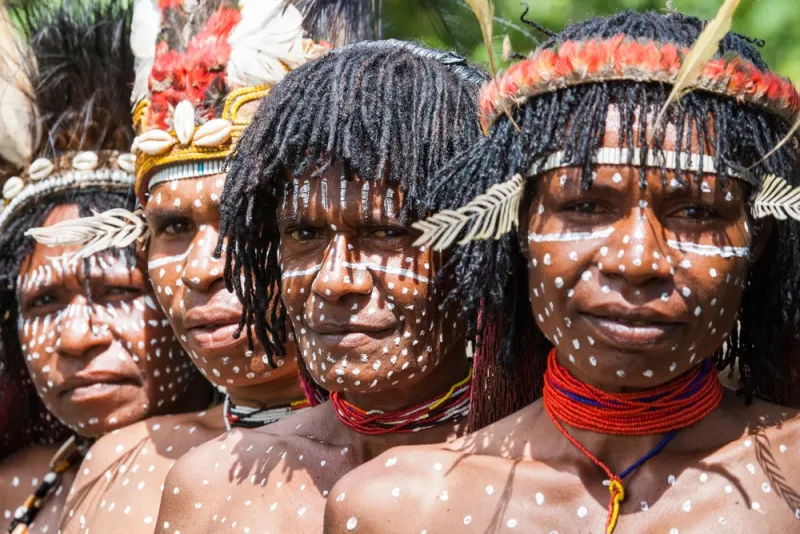
While we live in a modern world defined by global connectivity where technology is ubiquitous, there are several tribes all over the world that remain isolated. In fact, some indigenous people are uncontacted in that they avoid sustained contact with outsiders. They have their own distinctive cultures which they try to preserve, but sadly this is proving to be difficult due to influences and interference from the outside world. Here are five isolated tribes in the world.\r \r 1. The Sentinelese\r \r The Sentinelese are an indigenous people who live on North Sentinel Island in the Bay of Bengal in the northern Indian Ocean. They reject any interaction with outsiders and assault anyone who approaches. The Indian government is responsible for guarding their island home. The majority of the information regarding the Sentinelese was collected by watching them from boats tied far away from the shore or from the air. Thus, not much is known about them. It is believed that the tribe has a population of approximately 100 to 500. They are fishermen, hunters and gatherers who live in communal huts or temporary shelters for nuclear families.\r \r 2. The Yanomami Tribe\r \r The Yanomami tribe calls the Amazon Rainforest home. This tribe consists of their offspring and extended relatives. Village populations vary, but they typically range from 50 to 400. There are about 35, 000 members of this tribe dispersed in the 250 villages. In this predominantly communal structure, the shabono, or communal roof, serves as the home for the entire town. There are no leaders in this tribe. Instead, to make decisions, they discuss the matter until a group consensus is reached. While the men hunt, the women gather berries and edible insects. \r \r 3. The Dani Tribe\r \r The Dani Tribe is a people from the central highlands of Western New Guinea, the Indonesian province of Papua. They lived undetected for centuries until they were discovered in 1938 by anthropologist, Richard Archbold. Thereafter, this tribe became a tourist attraction although there are some villages that are untouched by outsiders. They have unique cultural practices and a simple way of life which visitors find fascinating. Many of their young people are moving away from their way of life and are making use of technology.\r \r 4. The Ayoreo Tribe\r \r The Ayoreo are one of around 18 different tribes living in Paraguay and for the most part are one of the last isolated tribes. Of the several different sub-groups of Ayoreo, the most isolated are the Totobiegosode. In the 1940s and 1950s, Mennonite farmers built communities on their land, establishing their first prolonged engagement with foreigners. The Ayoreo resisted this invasion and paid with their lives. Many of them were forced to leave the forest in 1969. The invasions meant they constantly had to leave their homes and some still live a nomadic life in the forest.\r \r 5. The Korubo Tribe\r \r Brazilian natives known as the Korubo, also called the Dslala, dwell in the lower Vale do Javari region of the western Amazon Basin. This tribe has a population of more than 200 people who live in isolation moving between the Ituí, Coari and Branco rivers. They are suspicious of outsiders such as ranchers, loggers and developers who infringe on their territory. They have had conflicts with those intruders which have become violent. Sydney Possuelo, a Brazilian explorer who first made contact with the tribe in October 1996, conducted much of the study that forms the basis of what the outside world knows about this group.