The Intriguing Origins of Pop Culture Stereotypes
Pop culture is full of stereotypes that have become deeply ingrained in our collective consciousness. These stereotypes often shape our perceptions of different groups of people or cultures. However,...
Pop culture is full of stereotypes that have become deeply ingrained in our collective consciousness. These stereotypes often shape our perceptions of different groups of people or cultures. However, many of these stereotypes have fascinating and sometimes unexpected origins. So, get ready to uncover the surprising origins that have influenced our perceptions and representations in movies, TV shows, and other forms of media.
1. The Damsel in Distress
One of the most enduring stereotypes in pop culture is the "damsel in distress." This trope often portrays women as helpless, in need of rescue by a male hero. Its roots can be traced back to ancient myths and fairy tales. Many traditional folktales, such as "Sleeping Beauty" and "Cinderella," featured passive female characters who awaited their prince to save them. Over time, this stereotype became ingrained in popular culture, perpetuating the notion that women were fragile and dependent on men. However, it is important to note that contemporary media has challenged and subverted this stereotype, portraying women as strong, independent, and capable of saving themselves.
2. The Mad Scientist
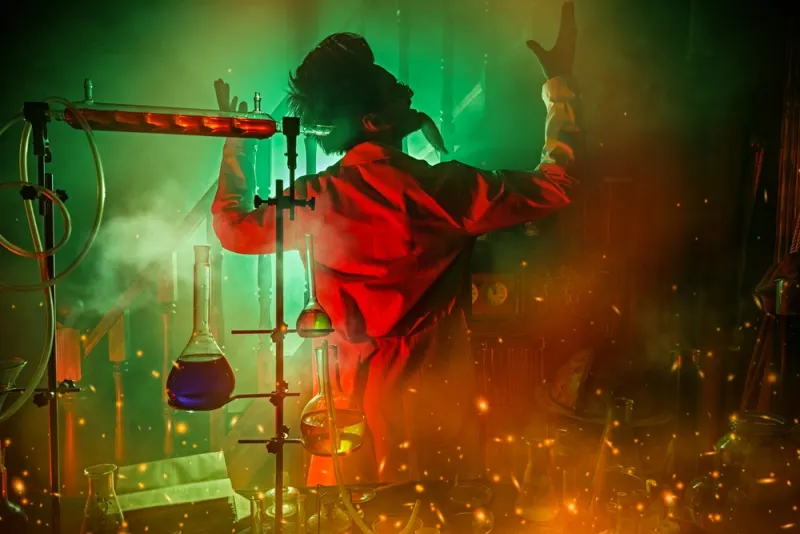
The image of a "mad scientist" is a staple in pop culture, often portrayed as eccentric, brilliant, and morally questionable. The origins of this stereotype can be traced back to the Enlightenment era and the advancements in scientific exploration. During this period, scientists were often seen as enigmatic figures who pursued knowledge at any cost. Mary Shelley's iconic novel "Frankenstein" is credited with solidifying the image of the mad scientist. Dr. Victor Frankenstein, driven by his ambition to create life, embodies the archetype of a scientist who is willing to cross ethical boundaries in the pursuit of knowledge. Since then, this stereotype has been perpetuated in various forms of media, often presenting scientists as socially awkward, obsessed, and detached from ethical considerations.
3. The Magical "Mystic East"
The concept of the "Mystic East" is a stereotype that portrays Eastern cultures, particularly Asian cultures, as mystical, exotic, and steeped in ancient wisdom. This stereotype finds its roots in Orientalism, a Western perspective that romanticized and exoticized the East. Orientalist literature, such as "The Arabian Nights," contributed to shaping this perception of the East as a land of magic and mysticism. This stereotype has had a significant impact on pop culture, particularly in movies and literature. It often portrays Asian characters as wise, enigmatic mentors or mystical martial arts masters. While there can be elements of truth in cultural traditions and beliefs, it is essential to approach these representations with cultural sensitivity and avoid reducing an entire culture to exotic tropes.
4. The Nerdy, Socially Awkward Gamer
The stereotype of the nerdy, socially awkward gamer is prevalent in pop culture, often depicting gamers as introverted, technologically obsessed individuals with limited social skills. This stereotype emerged as video gaming gained popularity in the late 20th century. At the time, gaming was predominantly associated with a niche subculture and was not widely understood or accepted. The portrayal of gamers in media, such as movies and TV shows, often reinforced the stereotype, focusing on characters who struggled with social interactions but found solace in virtual worlds. However, as gaming has become more mainstream, the stereotype has evolved. Many gamers are highly sociable and engaged in online communities, challenging the notion that gaming is solely a solitary activity for socially inept individuals.
5. The Strong, Silent Cowboy
The archetype of the strong, silent cowboy is deeply rooted in Western films and literature. This stereotype emerged during the early 20th century when Westerns became a popular genre in American entertainment. Cowboys were often portrayed as rugged individuals who relied on their physical prowess rather than words. The origins of this stereotype can be traced back to the actual history of cowboys, who worked in demanding and isolated environments where communication was often minimal. Moreover, the silent cowboy archetype aligned with the ideals of masculinity prevalent at the time. While this stereotype has endured, contemporary Westerns have explored more nuanced portrayals, emphasizing the emotional depth and complexities of cowboy characters.