The Greatest Scandals in the History of the Olympics
The Olympic Games, held every four years, are widely regarded as the pinnacle of sportsmanship, athleticism, and international goodwill. Athletes worl
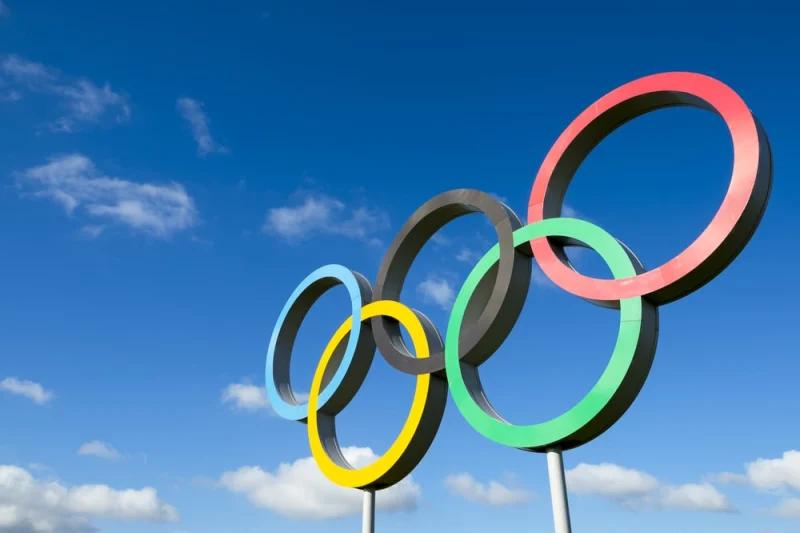
The Olympic Games, held every four years, are widely regarded as the pinnacle of sportsmanship, athleticism, and international goodwill. Athletes worldwide come together to compete, representing their countries and striving for excellence on the global stage. However, throughout the history of the Olympics, there have been instances of scandal and controversy that have tarnished the reputation of the Games. From doping scandals to political controversies, the Olympics have seen their fair share of high-profile scandals. And that’s why we’re going to take a look at five of the greatest scandals in the history of the Olympics.
1. The 2002 Salt Lake City Winter Olympics Bribery Scandal The 2002 Winter Olympics, held in Salt Lake City, Utah, USA, were marred by a bribery scandal that rocked the world of Olympic sports. It was revealed that members of the Salt Lake City bid committee had paid bribes to members of the International Olympic Committee (IOC) in exchange for votes to secure the hosting rights for the Games. The scandal, which came to light in 1998, led to the expulsion of several IOC members and resulted in a major overhaul of the Olympic bidding process. The investigation revealed that the Salt Lake City bid committee had provided lavish gifts, cash, and scholarships to IOC members and their families, including trips, vacations, and other perks.
2. The 1972 Munich Olympics Massacre The 1972 Summer Olympics, held in Munich, West Germany, will forever be remembered for one of the darkest moments in Olympic history - the Munich Olympics massacre. On September 5, 1972, a group of terrorists from the Palestinian group Black September broke into the Olympic Village and took hostage 11 members of the Israeli Olympic team. The terrorists demanded the release of Palestinian prisoners held in Israel, and despite negotiations, the situation escalated into a tragic outcome. After a failed rescue attempt by the German authorities, all 11 members of the Israeli team were killed, along with a German police officer and five of the eight terrorists.
3. The 1988 Seoul Olympics Doping Scandal The 1988 Summer Olympics, held in Seoul, South Korea, were marred by a major doping scandal that rocked the world of sports. Canadian sprinter Ben Johnson, who had won the gold medal in the 100-meter race and set a new world record, was disqualified after testing positive for the banned substance stanozolol. The revelation of Johnson's doping scandal shocked the world and tarnished the image of the Olympic Games. It raised questions about the effectiveness of anti-doping measures and highlighted the prevalence of doping in sports at the highest level of competition. Johnson's disqualification and subsequent ban from the sport sent a strong message that doping would not be tolerated in the Olympic Games.
4. The 2000 Sydney Olympics Dubious Judging in Gymnastics The 2000 Summer Olympics held in Sydney, Australia, witnessed a controversy in gymnastics due to dubious judging. The controversy revolved around the women's artistic gymnastics all-around event, where the scoring of the vault by the Chinese gymnast Dong Fangxiao was later revealed to be inflated. It was discovered that Dong Fangxiao was underage and ineligible to compete in the Games, as she was only 14 years old at the time, below the minimum age requirement of 16. As a result, Dong Fangxiao was stripped of her medal, and the incident brought attention to issues of age falsification and biased judging in gymnastics.
5. The 2016 Rio Olympics Russian Doping Scandal The 2016 Summer Olympics in Rio de Janeiro, Brazil, were marred by a massive doping scandal involving Russian athletes. A report by the World Anti-Doping Agency (WADA) revealed widespread state-sponsored doping in Russia, involving tampering with urine samples and cover-ups of positive drug tests across multiple sports and the Olympic Games. As a result, the International Olympic Committee banned the entire Russian track and field team from participating in the Games, and many Russian athletes were subsequently stripped of their medals. The scandal exposed the extent of doping practices in Russia and led to increased scrutiny and stricter anti-doping measures in subsequent Olympic Games.