Survival Tips That Could Save Your Life
Life is a rollercoaster of twists and turns, and you never quite know when you might find yourself in a tricky situation that requires some survival savvy. Whether you're out in the great outdoors, fa...
Life is a rollercoaster of twists and turns, and you never quite know when you might find yourself in a tricky situation that requires some survival savvy. Whether you're out in the great outdoors, facing a natural disaster, or just navigating the challenges of daily life, having a few survival tricks up your sleeve can be the difference between a close call and a total triumph. So, grab your metaphorical survival kit, and let's dive into five practical survival tips that could save your life when the going gets tough.
1. Prioritize Water and Shelter
When it comes to survival, the basics are your best friends. One of the top priorities in any survival situation is finding a clean source of water. Without water, your body won't last long, and dehydration can set in fast. Look for streams, rivers, or even dew on leaves in the morning – nature often provides clues on where to find hydration. If you can't find a water source, remember that you can also collect rainwater by using containers or even by crafting a makeshift rain-catching system. Equally important is shelter. Exposure to the elements can lead to hypothermia or heatstroke, so creating a shelter should be high on your list. Whether you're in the wilderness or a disaster-stricken area, using available materials like branches, leaves, or even your clothing can help protect you from the elements. A well-constructed shelter can conserve body heat, keep you dry, and provide a safe space to rest and think about your next steps.
2. Master Fire-Making
Ah, fire – the ultimate symbol of survival and human ingenuity. In the wild, fire serves as a source of warmth, protection from predators, a way to purify water, and even a morale booster. Learning how to create fire without a lighter or matches can be a game-changer in a survival situation. Techniques like using a fire starter, flint and steel, or even rubbing two sticks together (yes, like in the movies!) can help you harness the power of flames. Once you've successfully conjured fire, maintaining it is essential. Keep it small and controlled, and make sure you have a supply of dry wood and kindling to keep the fire burning.
3. Navigation Know-How
Getting lost is no one's idea of a good time, but it's a possibility we should all be prepared for. Whether you're hiking in the wilderness or finding your way through a city, having navigation skills can be a lifesaver. If you're in an unfamiliar area, start by getting your bearings using landmarks, the position of the sun, or even the stars at night. In a wilderness setting, learning basic map and compass navigation is essential – it can help you find your way back to civilization or locate nearby resources. If you have a smartphone, it can be a valuable tool for navigation. GPS apps can provide accurate maps and real-time location tracking, even in areas with no cell signal. Just make sure you have a backup power source, like a portable charger, to keep your device alive. And if you're really old-school, a whistle can be a great tool for signaling for help, especially in noisy or remote environments.
4. First Aid Basics
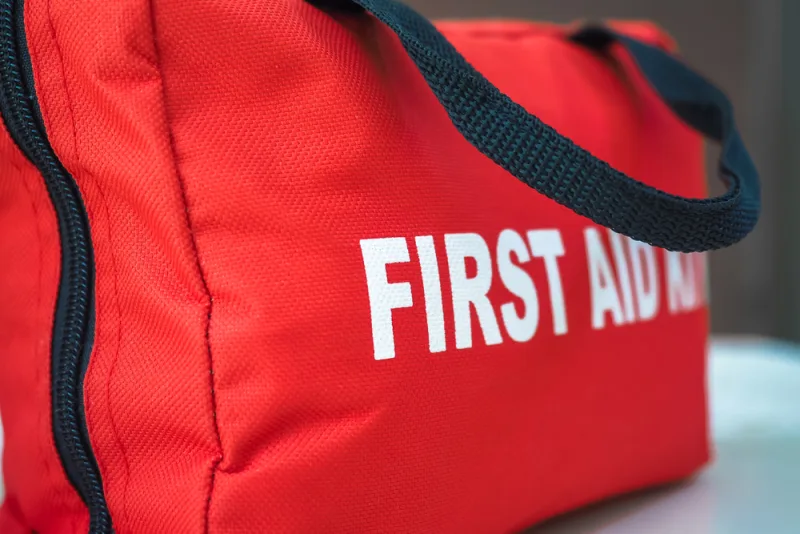
Accidents happen, and being prepared to provide basic first aid can make a world of difference in a survival scenario. Having a well-stocked first aid kit is crucial – it should include essentials like bandages, antiseptic wipes, adhesive tape, and pain relievers. But knowing how to use these supplies effectively is equally important. Learn basic first aid techniques like treating wounds, applying a tourniquet, and performing CPR. In a pinch, you can improvise with what's available. Clean cloth or clothing can serve as bandages, and even duct tape can be a versatile tool for securing makeshift splints or protecting blisters. Remember, though, first aid isn't just about treating physical injuries – it's also about staying mentally and emotionally resilient. Stay calm, assess the situation, and provide comfort and reassurance to yourself and others.
5. Stay Positive and Adapt
When the chips are down and you're facing adversity, your mindset can be your most powerful tool. Staying positive, adaptable, and focused on solutions can drastically improve your chances of survival. Panic and despair can cloud your judgment and lead to poor decisions. Instead, take deep breaths, assess your situation, and prioritize your needs. Adaptability is also key. Survival often requires making the best of what you have, whether it's using resources in your environment or coming up with creative solutions to challenges. Remember, every obstacle presents an opportunity to learn and grow.