Signs That You May Be Neurodivergent
Neurodivergent individuals have brains that function differently from what is considered typical or normal. This includes conditions such as autism, A
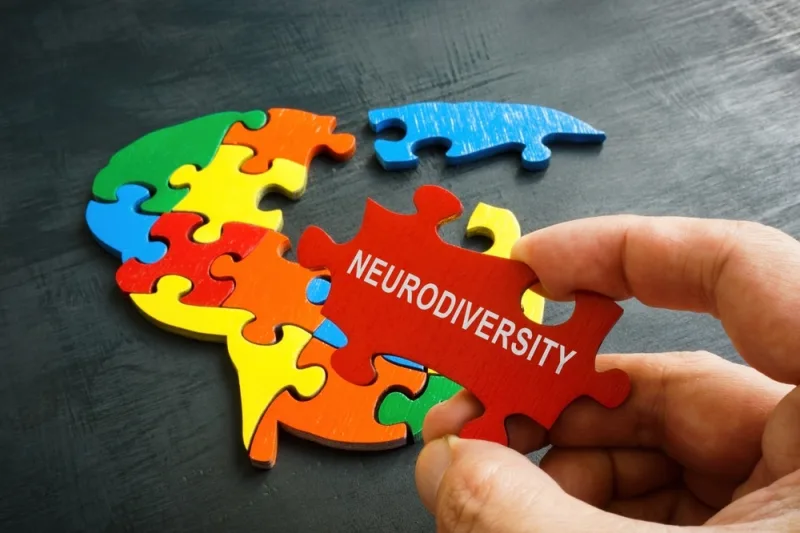
Neurodivergent individuals have brains that function differently from what is considered typical or normal. This includes conditions such as autism, ADHD, dyslexia, and more. However, many neurodivergent individuals go undiagnosed or unrecognized for years, leading to difficulties in their personal and professional lives. If you suspect that you may be neurodivergent, there are several signs to look out for. Here are five signs that you may be neurodivergent.\r \r 1. Difficulty With Social Interaction\r \r One of the most common signs of neurodivergence is difficulty with social interaction. This can manifest in several ways, such as struggling with eye contact, nonverbal communication, and understanding social cues. Neurodivergent individuals may also struggle with making and maintaining friendships, often feeling like they don't fit in or understand social norms. This can lead to feelings of isolation and anxiety. For example, an autistic person may have difficulty with social interaction because they may not understand sarcasm or irony. They may take language literally and struggle with body language, facial expressions, and tone of voice. Similarly, a person with ADHD may struggle with social interactions because they may find it hard to focus on conversations or engage in small talk.\r \r 2. Sensory Processing Differences\r \r Another sign of neurodivergence is sensory processing differences. This can include sensitivity to certain sounds, textures, or smells, as well as difficulty filtering out sensory input in busy environments. Neurodivergent individuals may also have a high or low pain threshold, or experience synesthesia, where one sensory input triggers a response in another sense. For example, someone with autism may be over-sensitive to certain sounds, such as a vacuum cleaner or loud music. They may also be hypersensitive to certain textures, such as clothing fabrics. Conversely, someone with ADHD may have difficulty filtering out sensory input, becoming easily distracted by noise or visual stimuli.\r \r 3. Difficulty With Executive Function\r \r Executive function refers to a set of mental processes that help us regulate, plan, and prioritize our actions. Neurodivergent individuals may struggle with executive function, leading to difficulties with tasks such as organization, time management, and decision-making. They may also have trouble with self-regulation, such as impulse control and emotional regulation. For example, a person with ADHD may struggle with executive function because they have difficulty with working memory, meaning they may forget what they were doing or what they need to do next. They may also struggle with prioritizing tasks, often leaving important things until the last minute.\r \r 4. Special Interests or Intense Passions\r \r Many neurodivergent individuals have special interests or intense passions that they may spend a lot of time and energy on. These interests may be outside of what is considered typical or popular, and may be seen as obsessive or unusual by others. However, these interests can bring a sense of fulfillment and enjoyment to neurodivergent individuals, allowing them to express themselves in a unique way. For example, someone with autism may have a special interest in a particular topic, such as trains or dinosaurs. They may spend hours researching and learning about this topic, often to the exclusion of other activities. Similarly, someone with ADHD may have a hyperfocus on a task or project that they find interesting or engaging, often to the detriment of other responsibilities.\r \r 5. Difficulty With Change or Transitions\r \r Finally, neurodivergent individuals may struggle with change or transitions in their lives. This can manifest as anxiety or distress when faced with unexpected or new situations. They may also struggle with transitions from one task or activity to another, finding it hard to shift their focus or attention. For example, someone with autism may struggle with changes to their routine or environment, finding it difficult to adjust to new situations or surroundings. Similarly, a person with ADHD may struggle with transitions between tasks, finding it hard to switch their focus from one thing to another.\r \r