Safety Measures That Had the Opposite Effect
We’ve all heard that “prevention is the best cure,” but this isn’t always the case because as you’re well aware, the highway to hell is paved with goo
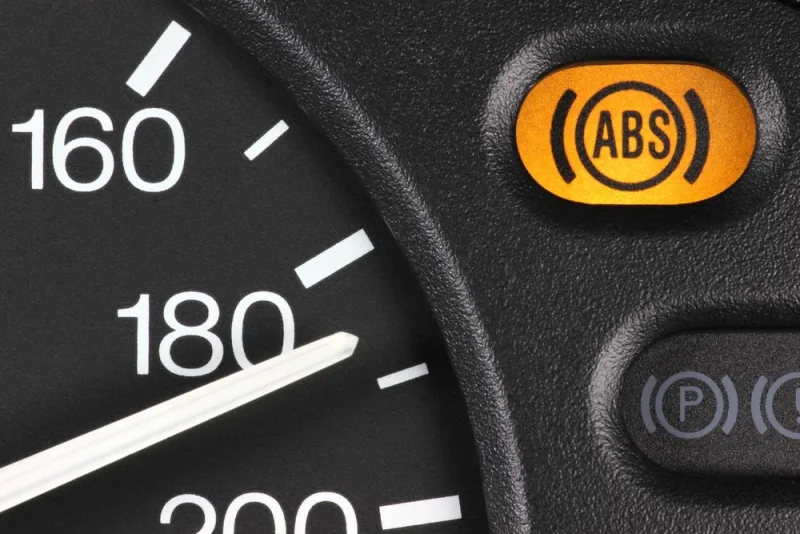
We’ve all heard that “prevention is the best cure,” but this isn’t always the case because as you’re well aware, the highway to hell is paved with good intentions. This sort of thing is often seen in safety measures that were put in place to save lives; instead the opposite happened where people got hurt and even lost their lives. So there you have it, five examples of safety measures that unfortunately took a hard left, and unexpected turn.\r \r 1. Gun Control Makes People Less Safe\r \r The topic of gun control is one that gets many Americans in a heated debate. Regardless of which side you fall under, statistics prove that gun control actually makes people less safe. According to a 2008 study by the CDC, the availability of guns for self-defense is a highly effective form of crime deterrence, and that there is a 66 to 1000 percent chance of guns being used for self-defense rather than to commit a crime. The data also prove that in the end, gun regulation only benefits criminals who already had illegal access to guns instead of law-abiding citizens.\r \r 2. Special Cigarette Filters\r \r During the 1950s, there was a growing concern over the irreversible damages caused by cigarettes. That’s when tobacco manufacturer Hollingsworth and Vose started producing cigarette filters that were filled with an equally toxic substance, crocidolite asbestos. This product was so dangerous that 18 of their 33 employees working in the factory died of asbestos-related diseases. Luckily, production of the cigarette filters was discontinued in 1956 shortly after this information came to light.\r \r 3. Social Distance Shaming\r \r In an attempt to slow down the spread of the coronavirus, many protocols and mandates were put into place including social distancing. Many people also took it upon themselves to shame those who failed to follow said protocols. Unfortunately for them, such aggressive persuasion backfired greatly and only angered people even further, leading to them carrying on like it was the old days. Mask-wearing was another thing that made many people angry, and combined with the frequent shaming, they became even less willing to comply with any sort of advice. \r \r 4. Football Helmets in General\r \r American football is a very contact-heavy sport that often results in concussions, head and neck injuries. In 1949, the NFL made a couple of changes to its regulations which required players to wear helmets and chest pads. Prior to this there was an average of only 30 deaths every year due to football-related injuries. Unfortunately that number has since skyrocketed, because many players overestimated the protection provided by their gears. As a result, they started slamming into each other much harder than before, resulting in thousands of injured players every year.\r \r 5. Anti Lock Brakes\r \r According to a 1981 study conducted by the German Transportation Ministry, the antilock brakes did nothing to decrease the number and severity of accidents among the control group of taxi drivers. The antilock brakes, which was meant to give drivers more control of their vehicles, instead made their driving worse as they became overconfident in their safety. The same happened in the U.S. regarding other car safety features including seatbelts, airbags and safety glass: people only got more reckless and the accidents became more frequent and severe.