Ridiculous Taxes Some Countries Once Imposed
4. Taxes are an essential part of government revenue, allowing countries to fund public services and infrastructure. While most taxes are necessary and serve a purpose, there are some bizarre and ridi...
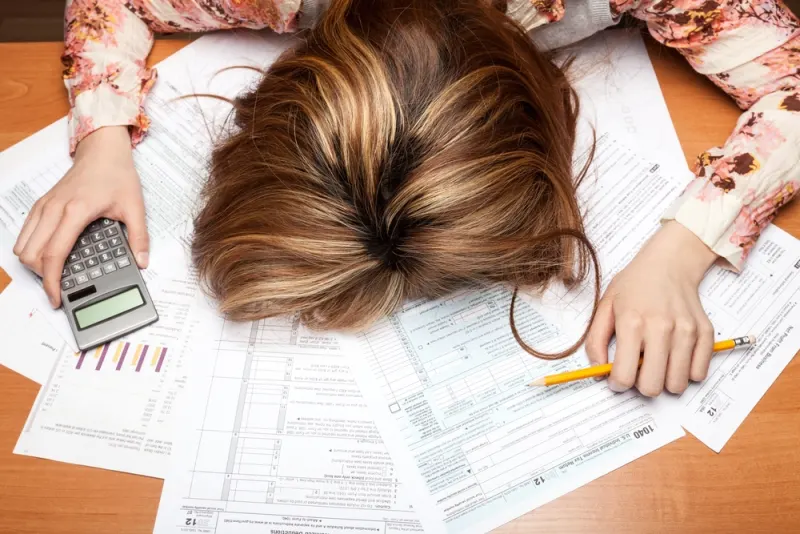
4. Taxes are an essential part of government revenue, allowing countries to fund public services and infrastructure. While most taxes are necessary and serve a purpose, there are some bizarre and ridiculous taxes that exist around the world. And today, we’re going to go back in history to explore five outrageous taxes that will leave you scratching your head and wondering how they ever came into existence. From taxing beards to imposing levies on playing cards, these peculiar taxes provide a glimpse into the quirky side of taxation.
1. Beard Tax in Russia
In the 17th century, Tsar Peter the Great of Russia introduced a peculiar tax on beards as a means to modernize and Europeanize the country. The tax aimed to discourage the wearing of beards and promote a more clean-shaven appearance, which was fashionable in Western Europe at the time. Men who wished to keep their facial hair had to obtain a special token, known as a "beard token," which served as proof of payment. While the beard tax may seem absurd today, it reveals how taxes have historically been used as tools for social engineering and cultural transformation. Fortunately, this tax was eventually abolished in 1772 by Catherine the Great, much to the relief of Russian men and their beloved facial hair.
2. Playing Card Tax in Spain
In the 18th century, Spain implemented a tax on playing cards, which became known as the "baraja tax." This tax was imposed on decks of cards and aimed to generate revenue from the popular pastime of playing card games. The tax was levied on both manufacturers and retailers, resulting in inflated prices for playing cards. The playing card tax not only served as a source of revenue but also as a means to control and regulate gambling. By imposing a tax on playing cards, the Spanish government sought to discourage excessive gambling and maintain social order. However, this peculiar tax was eventually abolished, as it proved difficult to enforce and led to widespread smuggling of untaxed playing cards.
3. Cow Flatulence Tax in Denmark
Denmark is known for its progressive environmental policies, and one of the most unusual taxes it has implemented is the cow flatulence tax. In an effort to reduce greenhouse gas emissions, particularly methane, the Danish government introduced a tax on farmers based on the number of cows they owned. Cows are known to produce significant amounts of methane through their digestive processes, which contribute to climate change. While the cow flatulence tax may sound comical, it showed the growing concern for environmental sustainability and the recognition of the agricultural sector's impact on greenhouse gas emissions. By incentivizing farmers to adopt more sustainable practices, such as methane-capturing technologies and changes in livestock diets, the Danish government aimed to mitigate the environmental impact of cow flatulence.
4. Window Tax in England
During the 18th and 19th centuries, England implemented a tax on windows, known as the window tax. This tax was based on the number of windows a property had, with higher taxes imposed on properties with more windows. The window tax was a way for the government to generate revenue while also discouraging the use of large windows, which were associated with wealth and luxury. The window tax had significant consequences for architecture and urban planning during that period. It led to the bricking up or removal of windows in many buildings, resulting in a dark and gloomy atmosphere in certain areas. This tax remained in effect until 1851 when it was finally repealed.
5. Urine Tax in Ancient Rome
In ancient Rome, urine was a valuable commodity used for various purposes, including laundering clothes and tanning leather. Recognizing its commercial value, the Roman government imposed a tax on urine, known as the "vectigal urinae." This tax was collected from individuals who sold or transported urine within the city. The urine tax may seem absurd to us today, but it reflects the resourcefulness of ancient societies in finding value in unexpected places. Urine was collected in large quantities from public latrines and then sold to industries that had a need for it. While it may be difficult to imagine paying taxes on bodily fluids in the modern world, it serves as a reminder of the fascinating and often unusual historical practices of taxation.