Psychological Disorders in the Animal Kingdom
Psychological disorders are common in humans but they also exist in other species. The majority of animal psychologists and veterinarians concur that
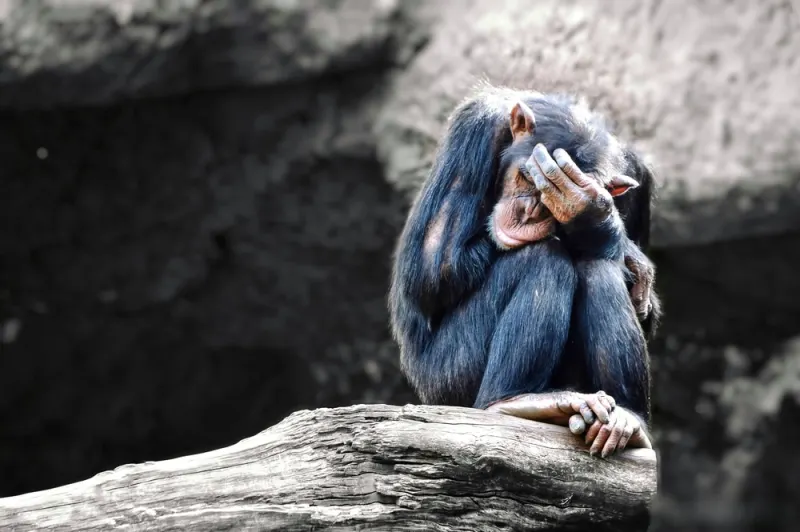
Psychological disorders are common in humans but they also exist in other species. The majority of animal psychologists and veterinarians concur that animals can experience various mental disorders. The sad thing is, unlike humans, animals are unable to express what is plaguing them but there are always signs. Animals living in captivity, especially those that are mistreated, seem to exhibit more of these disorders than those in the wild. Here are five psychological disorders experienced by animals.\r \r 1. PTSD\r \r Just like men and women who have served in the military can suffer from post-traumatic stress disorder, so too can canine soldiers. On the battlefield, these dogs are involved in dangerous and traumatic duties such as sniffing out explosives and narcotics, clearing buildings of insurgents and tracking armed enemies. They display the same heartbreaking behaviors as battle-experienced humans. They may exhibit hypervigilance, aggression, clinginess, sleeplessness, and even panic episodes as a result of unresolved stress. From 2010, the military has officially recognized this disorder in dogs and have made efforts to rehabilitate these animals upon their return home.\r \r 2. OCD\r \r It is thought that some animals have obsessive-compulsive disorder (OCD). Whales in captivity have been observed repeatedly shaking their heads against the walls or floors of the tanks. Obsessive head-banging is definitely dangerous and some have sustained serious injuries. Cats can also have OCD. Excessive grooming, pacing, and meowing are all signs of boredom, anxiety, or even pain in cats. Researchers think that these actions allow the brain's pain-killing chemicals to be produced, momentarily reducing the cat's anxiety. While these can be signs of other conditions, after ruling them out, OCD just might be the answer.\r \r 3. Autism\r \r A growing number of veterinarians have explained that dogs can be autistic. Autism in dogs is called canine dysfunction behavior. It has been noted that bull terriers in particular exhibit intense phobias, blankly looking off into space, social avoidance and repetitive spinning. There are important markers that are shared by children and autistic dogs. Just as with children on the autism spectrum, autistic dogs have key biomarkers such as higher levels of neurotensin and corticotropin releasing-hormone. Canine dysfunctional behavior is thought by researchers to be an idiopathic disorder, which means that the reason is unclear. \r \r 4. Depression\r \r Animals have been found to exhibit depression-like behavior. This is characterized by unusually low activity, slumped posture, mood changes, sleeping more than usual, loss of appetite and reduced interest in pleasurable activities known as anhedonia. There are some common triggers that may cause pets to feel depressed. These include loss of a loved one, a new family pet getting attention, a change in routine and moving to a new home or the owner’s depression. Pet antidepressants are quite common in treating such depressive behaviors. The start of depression should be avoided by improving living conditions, allowing for normal behaviors, and providing enough care and attention to pets.\r \r 5. Anxiety\r \r Animals can develop anxiety. It is especially common among animals that have experienced cruelty, abuse, or neglect but animals of any background can experience anxiety. When pets get distressed because they have to be separated from their guardians or other humans they are attached to, separation anxiety is triggered. Dogs with separation anxiety frequently make dramatic escape attempts, which can lead to self-harm and property damage. Horses that are confused, have vision problems, have pain, poor diet or insufficient exercise are prone to anxiety which can cause them to grind their teeth or bolt off.\r \r \r \r