Foods You Can No Longer Buy in the U.S.
The food industry in the United States is constantly evolving, with new products hitting the market every day. However, there are also plenty of foods
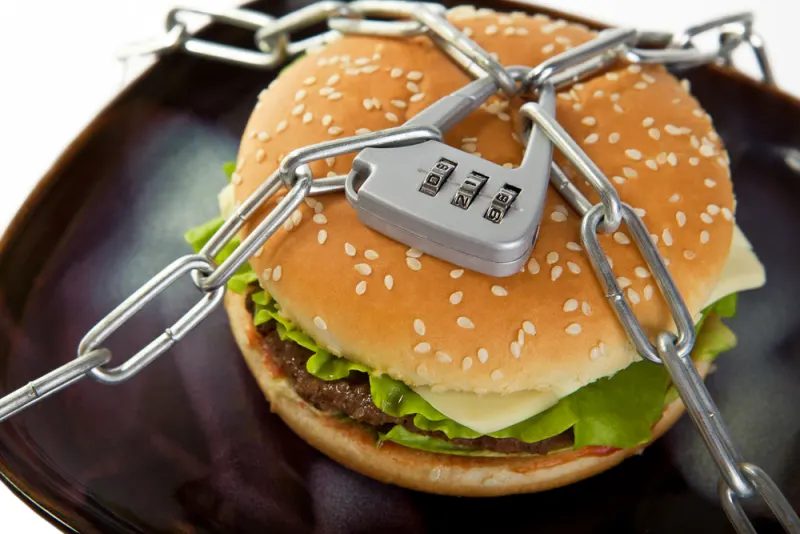
The food industry in the United States is constantly evolving, with new products hitting the market every day. However, there are also plenty of foods that have been taken off the shelves for various reasons. Let’s take a look at five foods you can no longer buy in the US.
1. Four Loko Four Loko was a popular alcoholic beverage that contained caffeine, taurine, and guarana in addition to alcohol. It was first introduced in the US in 2005 and quickly became popular among college students due to its high alcohol content and energy-boosting ingredients. However, Four Loko was banned in the US in 2010 due to concerns over its high alcohol content and potential health risks associated with mixing alcohol and caffeine. The US Food and Drug Administration (FDA) issued warning letters to Four Loko's manufacturers, and the beverage was reformulated to remove the caffeine, taurine, and guarana ingredients. While Four Loko is no longer available in its original form, there are still energy drinks that contain alcohol on the market. However, these drinks must comply with regulations set forth by the FDA and cannot contain caffeine or other stimulants.
2. Kinder Surprise Eggs Kinder Surprise Eggs, also known as Kinder Eggs, are a chocolate egg that contains a small toy inside. The toy is hidden within a plastic capsule that is enclosed within the chocolate shell. These eggs were first introduced in Italy in 1974 and quickly became popular worldwide. However, in the US, Kinder Surprise Eggs were banned in 1938 due to the Federal Food, Drug, and Cosmetic Act, which prohibits confectionery products that contain a "non-nutritive object" unless it is functional, like a cake decoration. The reason behind the ban was due to the potential choking hazard posed by the small toys inside the chocolate eggs. Since then, the sale of Kinder Surprise Eggs has been prohibited in the US, although some specialty stores still import them illegally, and they can be found in some international markets. There is also an alternative version available in the US called Kinder Joy, which has a separate compartment for the toy and the chocolate.
3. Haggis Haggis is a traditional Scottish dish made from sheep's heart, liver, and lungs, mixed with oatmeal, onions, and spices. The mixture is then stuffed into a sheep's stomach and boiled for several hours. Haggis has been a staple dish in Scottish cuisine for centuries, and it is often served with neeps and tatties (turnips and potatoes). However, haggis has been banned in the US since 1971 due to the US Department of Agriculture's restrictions on foods containing sheep lungs. The lungs are considered a potential carrier of diseases such as scrapie, which is similar to mad cow disease. Although it is illegal to sell or import haggis in the US, there are some restaurants that serve a similar dish called "Scottish-inspired sausage," which is made from pork, beef, and oats.
4. Beluga Caviar Beluga caviar is one of the most expensive foods in the world, and it is considered a luxury item. It is made from the eggs of the beluga sturgeon, which is found in the Caspian Sea and Black Sea. Beluga caviar is known for its large, soft, and delicate eggs, which are usually served on crackers or toast points. However, the beluga sturgeon has been on the endangered species list since 2005, and the trade of its caviar has been banned in the US since 2006 under the Convention on International Trade in Endangered Species of Wild Fauna and Flora (CITES). The ban has made it difficult to find beluga caviar in the US, and it is now considered a black market item. There are, however, other types of caviar available in the US, such as salmon and paddlefish caviar, which are less expensive and more sustainable.
5. Ackee Ackee is a tropical fruit native to West Africa that is popular in Caribbean cuisine. The fruit is poisonous when unripe and must be cooked before consumption. It is often used in dishes such as ackee and saltfish, which is the national dish of Jamaica. However, the importation of fresh ackee fruit has been banned in the US since 1973 due to concerns over hypoglycemic effects that can cause vomiting, seizures, and coma. Canned ackee fruit is still available in the US, but it must meet strict importation guidelines to ensure it is safe for consumption.