Foods That Are Surprisingly Bad for You
When it comes to our diets, it's easy to assume that certain foods are healthy simply because they're widely consumed or marketed as nutritious options. However, there are some foods out there that ma...
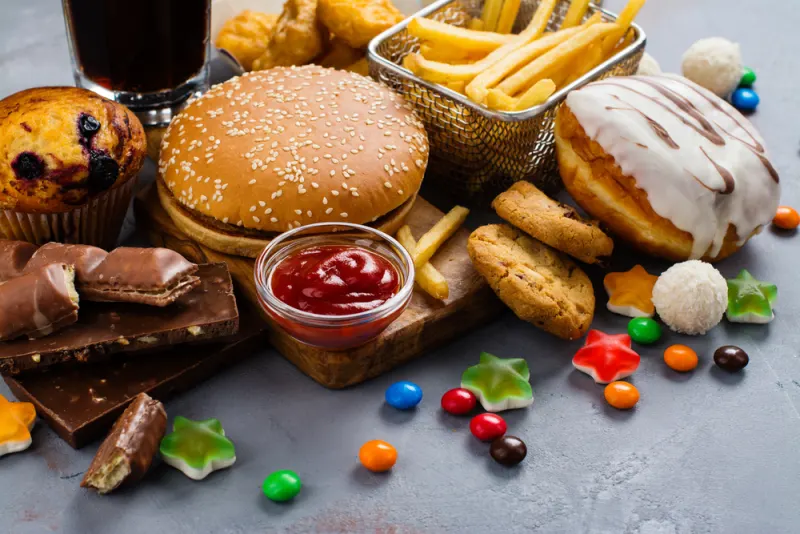
When it comes to our diets, it's easy to assume that certain foods are healthy simply because they're widely consumed or marketed as nutritious options. However, there are some foods out there that may surprise you with their potential negative impact on your health. Today, we'll uncover five foods that, despite their popularity or perceived health benefits, can actually be bad for you. So, let's dive in and explore these unexpected culprits that you may want to think twice about.
1. Fruit Juice
Ah, the refreshing taste of fruit juice on a hot summer day. While it's true that fruit juice contains essential vitamins and minerals, it can also be surprisingly bad for you. Most commercially available fruit juices are loaded with added sugars, preservatives, and artificial flavors. These additives can contribute to weight gain, increased risk of type 2 diabetes, and tooth decay. Moreover, when you drink fruit juice, you're missing out on the beneficial fiber found in whole fruits. Fiber helps slow down the absorption of sugars into your bloodstream, keeping your blood sugar levels more stable. Without this fiber, the sugar in fruit juice can cause a rapid spike in blood sugar levels, leading to energy crashes and cravings for more sweets. So, instead of reaching for a glass of fruit juice, opt for whole fruits to satisfy your cravings while enjoying the full benefits of fiber.
2. Granola
Granola, with its crunchy clusters and nutty goodness, is often perceived as a healthy breakfast or snack option. However, many store-bought granolas are packed with added sugars and unhealthy fats. These hidden ingredients can contribute to weight gain, raise cholesterol levels, and increase the risk of heart disease. Furthermore, granola can be deceptively high in calories. A small handful can quickly turn into a large calorie intake, especially if you're enjoying it straight from the bag. If you do choose to include granola in your diet, opt for brands with minimal added sugars, healthier fats like nuts and seeds, and consider using it as a topping rather than the main component of your meal to keep portion sizes in check.
3. Flavored Yogurt
Yogurt is often hailed as a nutritious choice, thanks to its probiotics and calcium content. However, many flavored yogurts available on the market are loaded with added sugars and artificial ingredients. These sweetened versions can be detrimental to your health, especially if consumed regularly. Excessive sugar intake from flavored yogurts can contribute to weight gain, increase the risk of type 2 diabetes, and negatively impact dental health. To make matters worse, the added sugars in flavored yogurts can mask the natural tartness of plain yogurt, making it harder to transition to unsweetened varieties. Instead, choose plain yogurt and add your own natural sweeteners like fresh fruits or a drizzle of honey to enjoy the health benefits without the unwanted sugars.
4. Processed Meats
Hot dogs, sausages, deli meats, and bacon - these are all examples of processed meats that many of us enjoy regularly. However, they can be surprisingly bad for our health. Processed meats often contain high amounts of sodium, unhealthy fats, and additives such as nitrates, which are used for preservation. Regular consumption of processed meats has been linked to an increased risk of heart disease, high blood pressure, and certain types of cancer, particularly colorectal cancer. To reduce your intake, opt for leaner cuts of unprocessed meats, such as chicken, turkey, or fish. If you can't resist the occasional hot dog or deli sandwich, choose low-sodium options and enjoy them in moderation.
5. Diet Soda
For those seeking a low-calorie alternative to sugary beverages, diet sodas may seem like a reasonable choice. However, they can be surprisingly bad for you in different ways. Diet sodas are often sweetened with artificial sweeteners, which have been associated with various health concerns, including an increased risk of metabolic disorders, weight gain, and altered gut bacteria. Furthermore, the artificial sweeteners in diet sodas can perpetuate cravings for sweet foods and potentially lead to overconsumption of calorie-dense snacks. Additionally, some studies suggest that diet sodas may be linked to an increased risk of developing type 2 diabetes and cardiovascular diseases. Staying hydrated is important, but opt for water, herbal tea, or naturally flavored sparkling water instead.