Food Scams That Could Only Happen in China
China's culinary heritage is one of the most vibrant and diverse in the world, and its cuisine has seen a surge in popularity in recent years. However
China's culinary heritage is one of the most vibrant and diverse in the world, and its cuisine has seen a surge in popularity in recent years. However, amidst this growing fascination with Chinese food, there have been numerous cases of food fraud that have rocked the world with their scale and audacity. From the infamous "gutter oil" scandal to the fake baby formula crisis, here are five shocking examples of food scams that have emerged from China's complex and rapidly evolving food industry.
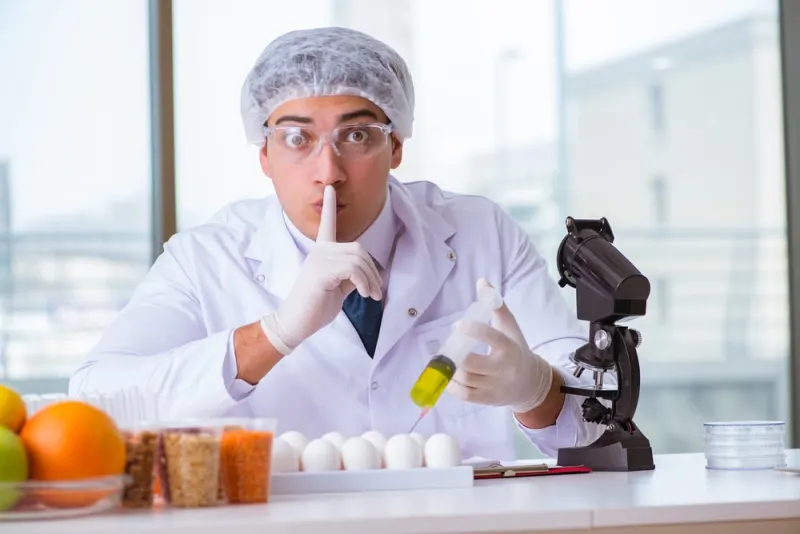
1. Fake Eggs In 2012, a fake egg scandal broke out in China. These eggs were made of gelatin, alginic acid, and calcium chloride and were then coated in a thin layer of calcium carbonate to make them look like real eggs. They were sold to unsuspecting customers who had no idea that they were consuming a fake product. Fake eggs were produced because the cost of producing real eggs had risen significantly, and the producers were looking for a way to cut costs. The fake eggs were sold at a lower price than real eggs, making them an attractive option for consumers.
2. Soy Sauce In 2011, certain soy sauce manufacturers in China were using an incredibly unappetizing ingredient - human hair - to make soy sauce. This practice involved collecting hair from barbershops and salons, boiling it in water, and using the resulting liquid to make soy sauce. The revelation caused uproar and disgust among consumers, with many expressing concern over the potential health risks of consuming such a product. Following the exposé by a Chinese TV station, the government intervened and shut down the offending manufacturers. The use of such unsanitary and potentially hazardous ingredients in food products is a grave concern, especially in a country like China, with its vast population and extensive food industry.
3. Glow in the Dark Pork In 2011, a shocking discovery was made in a market in Shanghai when pork that glowed in the dark was found. The pork had been injected with a fluorescent protein that caused it to emit a greenish glow, intended to make it a novelty item. However, the use of such protein in food is highly dangerous and could cause severe harm to consumers. Apart from allergic reactions, the protein can also damage the liver and kidneys, thereby posing a significant risk to public health. This incident raised concerns about the lack of regulation in the Chinese food industry and the need for stricter food safety standards.
4. Tainted Baby Formula In 2008, a scandal broke out in China when it was discovered that some manufacturers had added melamine to baby formula to increase its protein content. The melamine caused kidney damage in thousands of babies and led to the deaths of at least six infants. The scandal rocked the Chinese food industry and led to a crisis of confidence in domestically produced food products. The government responded by launching a nationwide food safety campaign and introducing stricter regulations on food production.
5. Fake Rice In 2011, alarming news spread throughout China regarding the creation and distribution of counterfeit rice. It was found that the fake rice was created by mixing potatoes, sweet potatoes, and plastic resin to create grains that had a striking resemblance to real rice. The fake rice was sold in different parts of China, posing a significant health risk to unsuspecting consumers. Experts cautioned that long-term consumption of the counterfeit rice could lead to severe health problems. The scandal sparked widespread concern among the Chinese population, leading to stricter regulations and a crackdown on fake food production by the government.