Five Ways Trump Changed Politics Forever
Love him or hate him, there's no denying that Donald Trump made a lasting impact on American politics. His presidency was marked by controversy, unconventional methods, and a fervent base of supporter...
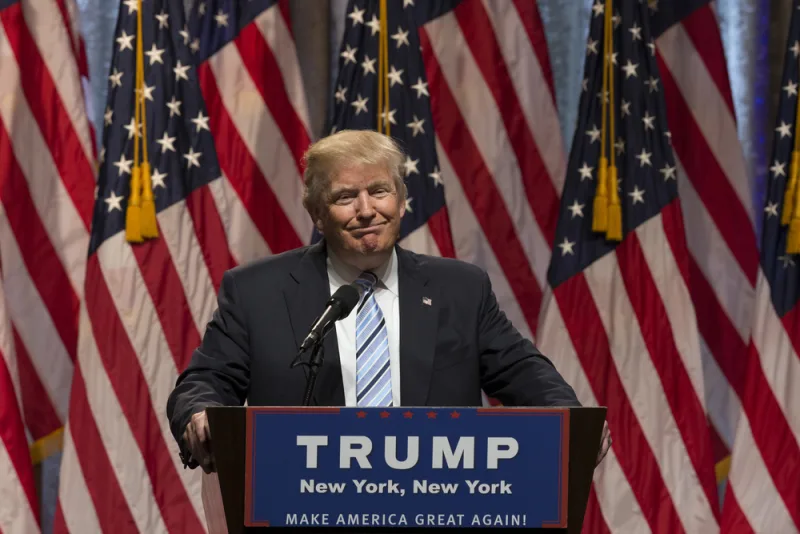
Love him or hate him, there's no denying that Donald Trump made a lasting impact on American politics. His presidency was marked by controversy, unconventional methods, and a fervent base of supporters. So today, we’ll look at five ways in which Trump changed politics forever, leaving an indelible mark on the political landscape of the United States. From his use of social media to his unapologetic style, let's delve into the ways Trump transformed the political sphere.
1. Social Media and Direct Communication
One of the most significant ways Trump changed politics was through his use of social media platforms, most notably Twitter. With his uncensored and often controversial tweets, Trump circumvented traditional media channels and communicated directly with his base and the broader public. This direct line of communication allowed him to bypass the filter of mainstream media and shape the narrative around his presidency. Trump's Twitter presence was unprecedented for a sitting president, enabling him to disseminate messages, rally his supporters, and provoke opponents with just a few taps on his phone. His tweets garnered immense attention, becoming headline news and fueling public discourse. The impact of Trump's unfiltered social media presence is likely to have a lasting influence on how politicians engage with the public and communicate their messages in the digital age.
2. Populist Appeal and Outsider Status
Trump's rise to power was fueled by his appeal to populist sentiments and his positioning as an outsider challenging the political establishment. He capitalized on the frustrations of many Americans who felt marginalized by the traditional political elites and institutions. Trump's promises to "drain the swamp" and put America first resonated with a significant portion of the population that felt ignored or left behind. By championing issues such as immigration control, economic protectionism, and national security, Trump tapped into the anxieties and aspirations of many Americans. His outsider status, coupled with his blunt and unapologetic rhetoric, appealed to those who craved a different kind of leader—one who spoke their language and challenged the status quo. Trump's successful mobilization of populist sentiments has forever altered the political landscape, highlighting the power of anti-establishment messaging and reshaping the Republican Party in his image.
3. Polarization and Divisiveness
Trump's presidency was marked by deep political polarization and a widening ideological divide. His unyielding and confrontational style often stoked divisions rather than seeking common ground. Trump's unabashed willingness to challenge political norms, question institutions, and openly attack opponents created a climate of intense partisanship. Supporters saw Trump as a fierce defender of their values, while opponents viewed him as a threat to democracy and social progress. The resulting polarization permeated every aspect of American politics, from policy debates to interpersonal relationships. Trump's presidency showcased the power of populism to rally a fervent base while exacerbating divisions between political factions.
4. Rhetoric and Political Discourse
Trump's unique style of rhetoric left an indelible mark on political discourse. His frequent use of inflammatory language, personal attacks, and nicknames for opponents became a hallmark of his communication style. Trump's unfiltered and often controversial remarks garnered attention and dominated news cycles, shaping the tone and tenor of political discussions. By eschewing political correctness and traditional decorum, Trump defied the conventions of presidential speech. His direct, unapologetic, and often provocative language resonated with his base, who appreciated his authenticity and perceived willingness to "tell it like it is." However, his style also drew criticism for its divisiveness and undermining of civil discourse.
5. Pop Culture and Celebrity Politics
Trump's background as a reality TV star and business mogul brought an unprecedented level of celebrity culture to American politics. His status as a well-known figure outside the political realm helped propel him to the forefront of the public consciousness and made his candidacy and presidency a constant source of media attention. Trump's ability to leverage his celebrity status allowed him to capture the public's attention and establish a strong brand in politics. His fame and persona generated significant media coverage, elevating his message above traditional political figures and strategies. The merging of pop culture and politics, epitomized by Trump's presidency, may have long-lasting implications for the nature of political campaigns, the role of media, and the public's engagement with politics.