Five Times Suffragettes Took It Way Too Far
The suffragette movement of the late 19th and early 20th centuries was a pivotal moment in history, advocating for women's right to vote and challenging the prevailing gender norms of the time. While...
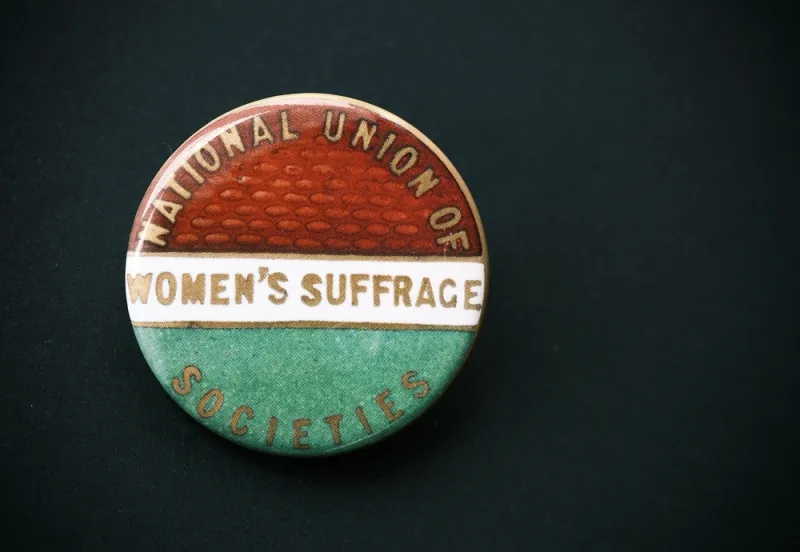
The suffragette movement of the late 19th and early 20th centuries was a pivotal moment in history, advocating for women's right to vote and challenging the prevailing gender norms of the time. While the suffragettes played a crucial role in advancing women's rights, their tactics were not always peaceful or without controversy. And in this article, we’ll look at five instances where they took their actions to extreme measures. From arson attacks to hunger strikes and public disturbances, these controversial tactics tested the boundaries of activism and sparked debates about the effectiveness and ethicality of their methods.
1. The Epsom Derby Incident
One of the most notable incidents in suffragette history was the Epsom Derby incident of 1913. On that day, suffragette Emily Davison deliberately stepped onto the racetrack during the Derby and was struck by King George V's horse, sustaining fatal injuries. While Davison's actions were seen as a dramatic and shocking act of protest, her intentions and motivations have been the subject of much debate. Some argue that she intended to martyr herself for the suffragette cause, while others believe her actions were meant to draw attention to the women's suffrage movement. Regardless of her intentions, the Epsom Derby incident divided public opinion. While it drew attention to the suffragette movement, it also raised concerns about the dangers of radical activism and the potential harm caused to innocent bystanders.
2. Arson Attacks
Suffragettes also resorted to arson attacks as a means of protest. The most infamous example is the 1913 bombing of Lloyd George's summerhouse in Surrey by Emily Davison and accomplice Clara Giveen. The attack was intended to draw attention to their cause and put pressure on the government to grant women the right to vote. Other instances of arson targeted empty buildings, churches, and public spaces. These acts of destruction were seen as extreme and controversial, attracting both support and condemnation.
3. Hunger Strikes and Force-Feeding
Hunger strikes became a prominent tactic employed by suffragettes during their imprisonment. By refusing to eat, they aimed to draw attention to their cause and put pressure on the government to grant them political rights. However, authorities responded with force-feeding, a highly controversial and painful practice that involved restraining the suffragettes and inserting tubes into their noses or mouths to forcibly deliver food and liquids. Force-feeding was seen as a brutal violation of human rights and sparked outrage among them and their supporters. It garnered international attention and fueled public sympathy for their cause.
4. Destruction of Property
The destruction of property was another tactic employed by suffragettes to draw attention to their cause. From smashing windows to vandalizing public spaces and even attacking works of art, suffragettes sought to disrupt societal norms and provoke a response from the authorities. Their actions were seen as acts of defiance against a system that denied them their basic rights. Opponents argued that these acts undermined the suffragettes' cause by alienating potential supporters and reinforcing negative stereotypes about their movement. The balance between peaceful protest and property damage was a constant source of tension within the suffragette movement.
5. Public Disturbances and Disruptions
Suffragettes frequently organized public disturbances and disruptions to capture the attention of the media and the public. These tactics included heckling politicians, chaining themselves to railings, and staging protests at public events. While these actions succeeded in generating publicity and raising awareness, they also led to clashes with law enforcement and public disorder. The public disturbances tested the boundaries of acceptable protest. Supporters viewed them as courageous acts of civil disobedience, while detractors criticized them for their disruptive nature and disregard for law and order. The suffragettes' determination to make their voices heard sometimes overshadowed their message, leaving some to question the effectiveness of such confrontational tactics.