Five Reasons You Should Be Scared of Microplastics
Microplastics, tiny particles of plastic less than 5mm in size, have become a global environmental concern. These minuscule fragments come from various sources, including the breakdown of larger plast...
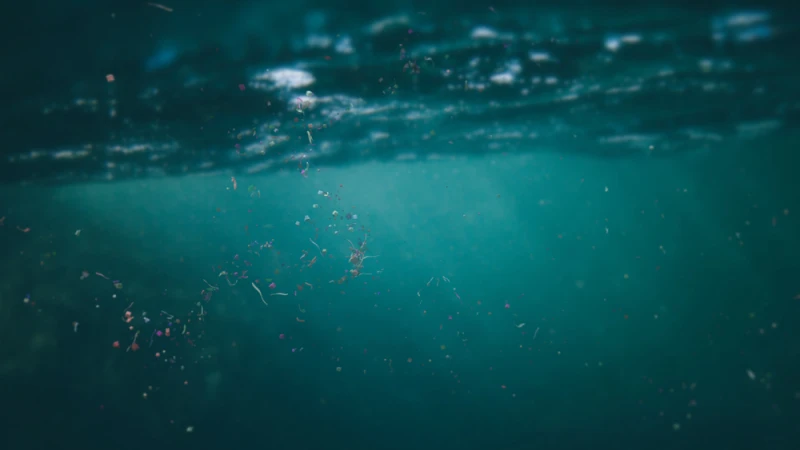
Microplastics, tiny particles of plastic less than 5mm in size, have become a global environmental concern. These minuscule fragments come from various sources, including the breakdown of larger plastic items and the shedding of microfibers from synthetic textiles. While they may seem harmless due to their size, there are several compelling reasons why microplastics should be a cause for concern. Here are five reasons why you should be scared of microplastics and their potential impacts on the environment and human health.
1. Widespread Contamination
Microplastics have permeated our planet, and their presence is pervasive. They can be found in oceans, rivers, lakes, soil, and even the air we breathe. Their small size and lightweight nature allow them to travel long distances, contaminating even the most remote environments. The widespread contamination of microplastics poses a significant threat to aquatic ecosystems, where they can be ingested by marine organisms. As these tiny particles accumulate up the food chain, they can cause detrimental effects on marine life, disrupting their reproductive systems, compromising their health, and even leading to death. Additionally, microplastics can find their way into our food chain, as they have been detected in seafood, salt, and even drinking water.
2. Impact on Wildlife
Microplastics pose a direct threat to wildlife, particularly marine animals. Sea turtles, for example, can mistake floating plastic bags for jellyfish and consume them, leading to internal blockages and eventual death. Similarly, seabirds often mistake brightly colored microplastic particles for food, filling their stomachs with indigestible materials and causing starvation. Microplastics can also have long-term ecological consequences. As they accumulate in the environment, they can alter habitats and disrupt delicate ecosystems. For instance, coral reefs, already vulnerable to numerous stressors, can suffer when covered in microplastics, hindering their growth and compromising their resilience.
3. Human Health Concerns
Beyond their ecological impact, microplastics raise significant concerns for human health. Studies have detected microplastics in various food and drink products, raising questions about their potential effects when ingested. While the long-term health impacts of microplastics on humans are still not fully understood, there are reasons to be cautious. Microplastics can potentially release harmful additives and chemicals into our bodies, some of which are known to be toxic and can disrupt hormonal balances. These particles can also accumulate in organs and tissues, potentially leading to inflammation and other adverse health effects.
4. Persistent and Indestructible
One of the most alarming aspects of microplastics is their persistence in the environment. Plastics are incredibly durable materials and do not easily break down. Instead, they degrade into smaller and smaller fragments over time, turning into microplastics. Once in the environment, these particles can persist for hundreds of years, perpetuating their harmful effects. The longevity of microplastics means that even if we were to reduce plastic production and consumption significantly, the legacy of plastic pollution would remain for generations to come.
5. Unknown Ecological Consequences
Despite growing awareness of microplastics, there is still much we do not know about their long-term ecological consequences. The complex interactions between microplastics and ecosystems are not fully understood, and their potential ecological impacts are still being unraveled. As a result, there is a high level of uncertainty surrounding the extent of damage caused by microplastics to our natural world. Microplastics have the potential to disrupt delicate ecological balances, alter species distributions, and harm biodiversity.