Five Facts Few People Know About Prisoners of War
Prisoners of war (POWs) are individuals who have been captured and held by an enemy during times of conflict. Their experiences are often shrouded in mystery and misconceptions. Today, we'll uncover f...
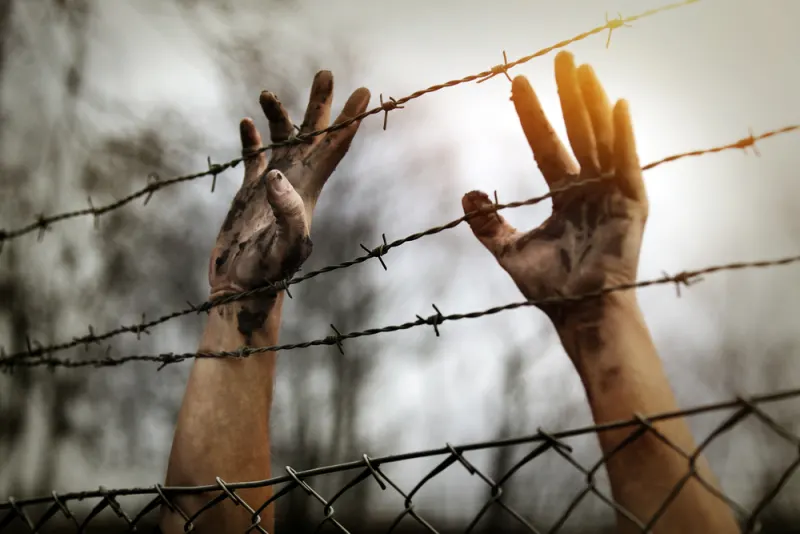
Prisoners of war (POWs) are individuals who have been captured and held by an enemy during times of conflict. Their experiences are often shrouded in mystery and misconceptions. Today, we'll uncover five lesser-known facts about prisoners of war, shedding light on their stories and highlighting the challenges they face.
1. Psychological Impact
One of the lesser-known aspects of being a prisoner of war is the severe psychological toll it takes on individuals. POWs often experience high levels of stress, anxiety, and depression as they endure long periods of isolation, uncertainty, and the constant threat of physical harm. The psychological impact can manifest in various ways, including post-traumatic stress disorder (PTSD), survivor guilt, and difficulties reintegrating into society after their release. To address the psychological needs of POWs, specialized support and rehabilitation programs are crucial. Mental health professionals work with former POWs to help them navigate the challenges they face, cope with trauma, and rebuild their lives.
2. Humanitarian Treatment
Contrary to popular belief, international laws and agreements exist to protect prisoners of war and ensure their humane treatment. The Geneva Conventions, for example, outline specific guidelines regarding the treatment and rights of prisoners of war. These agreements prohibit torture, cruel treatment, and any form of degrading behavior. They also establish standards for living conditions, medical care, and the provision of essential necessities such as food and water. While adherence to these humanitarian principles may not always be perfect, international organizations and authorities work diligently to monitor and enforce compliance. The goal is to uphold the rights and dignity of prisoners of war, recognizing their status as human beings deserving of humane treatment even in the midst of conflict.
3. Communication Challenges
Communication is a significant challenge for prisoners of war, especially during times when access to technology and communication channels is limited or controlled. POWs often face difficulties in maintaining contact with their families, which can exacerbate feelings of isolation and increase their sense of vulnerability. In some cases, POWs have resorted to creative methods to send messages to their loved ones, such as encoding messages in letters or finding covert ways to communicate with the outside world. Efforts to establish communication between POWs and their families are essential. International humanitarian organizations, governments, and dedicated individuals work tirelessly to facilitate contact through initiatives like Red Cross messages or family visitation programs. These connections play a crucial role in providing emotional support and a sense of hope for prisoners of war.
4. Challenges After Release
The challenges faced by prisoners of war do not end upon their release. Reintegrating into society can be a complex and difficult process. Former POWs may struggle with physical and mental health issues resulting from their captivity. They may also face challenges in finding employment, rebuilding relationships, and adjusting to life outside the confines of their captivity. Support systems and rehabilitation programs play a crucial role in helping former POWs navigate these challenges. Medical and mental health services, vocational training, and social support networks are essential in assisting their reintegration efforts.
5. Resilience and Survival Stories
Behind the statistics and the geopolitical context, there are countless stories of resilience, courage, and survival among prisoners of war. From maintaining a sense of camaraderie and hope within the confines of captivity to carrying out acts of bravery and resistance, prisoners of war have demonstrated remarkable strength in the face of adversity. These stories of resilience serve as a testament to the indomitable spirit of the human beings caught in the turmoil of war. Sharing and honoring these stories is essential for preserving the memory and acknowledging the sacrifices of prisoners of war.