Facts You Didn't Know About Organ Transplants
Organ transplantation is a life-saving medical procedure that has revolutionized the field of medicine. It involves replacing a damaged or failing organ with a healthy one from a donor. While many peo...
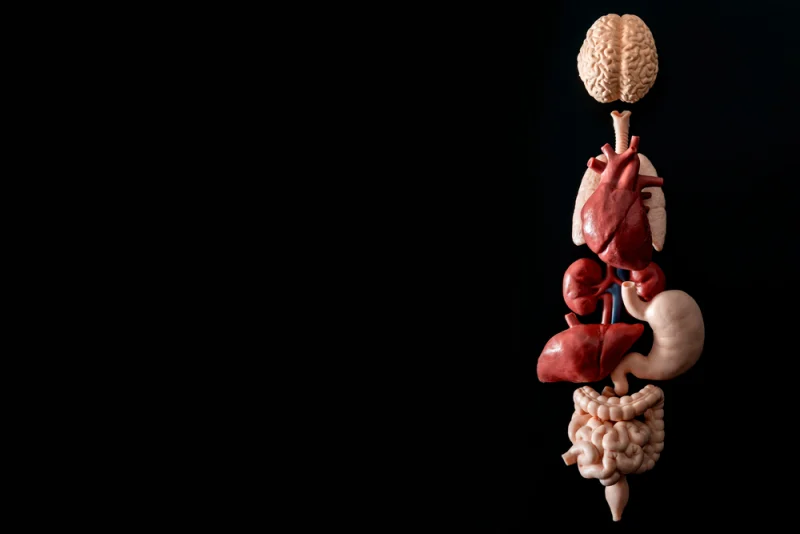
Organ transplantation is a life-saving medical procedure that has revolutionized the field of medicine. It involves replacing a damaged or failing organ with a healthy one from a donor. While many people are familiar with the concept of organ transplants, there are several lesser-known facts that highlight the remarkable advancements, challenges, and ethical considerations surrounding this life-saving procedure. In today’s article, we’re going to learn five intriguing facts you may not know about organ transplants, shedding light on the complexities and triumphs of this medical practice.
1. The First Successful Organ Transplant
The first successful organ transplant took place on December 23, 1954, in Boston, Massachusetts, when Dr. Joseph Murray performed a kidney transplant between identical twins, Richard and Ronald Herrick. The groundbreaking procedure not only saved Ronald's life but also paved the way for future advancements in organ transplantation. Dr. Murray's pioneering work earned him the Nobel Prize in Physiology or Medicine in 1990. Since that milestone, organ transplantation has come a long way, expanding to include a wide range of organs, such as the heart, liver, lungs, pancreas, and intestines.
2. The Role of Immunosuppressant Medications
After an organ transplant, the recipient's immune system recognizes the transplanted organ as foreign and may launch an immune response to reject it. To prevent rejection and ensure the long-term success of the transplant, recipients must take immunosuppressant medications. These drugs suppress the immune system's response, minimizing the risk of rejection. However, immunosuppressants come with their own set of challenges. They can weaken the immune system, making individuals more susceptible to infections and diseases. The delicate balance between preventing rejection and managing the side effects of immunosuppressants requires ongoing monitoring and adjustments by healthcare professionals to ensure the best outcomes for transplant recipients.
3. The Importance of Organ Donation
Organ transplantation relies on the generosity and selflessness of organ donors and their families. Each year, thousands of individuals are in need of a transplant, and organ donation provides them with a chance for a renewed lease on life. One organ donor can save multiple lives by donating organs such as the heart, liver, lungs, kidneys, and pancreas. However, the demand for organs far exceeds the supply, leading to a significant organ shortage. This disparity underscores the importance of raising awareness about organ donation and encouraging individuals to register as donors. Initiatives promoting deceased organ donation, living organ donation, and innovative approaches like paired exchange programs aim to increase the availability of organs and improve transplant outcomes.
4. Transplant Tourism and Ethical Considerations
Transplant tourism refers to the practice of traveling to another country to receive an organ transplant, often due to long waiting lists or legal restrictions in the individual's home country. While it may seem like a viable option for some, transplant tourism raises several ethical concerns. In some cases, the organs may be obtained through illicit means, including organ trafficking or the exploitation of vulnerable individuals. This raises significant ethical and moral dilemmas surrounding the principles of autonomy, justice, and fairness in organ allocation. Efforts to combat transplant tourism focus on strengthening legal frameworks, promoting ethical practices, and improving organ donation and transplant systems globally.
5. Advances in Regenerative Medicine
Regenerative medicine offers promising avenues for organ transplantation. Stem cell research and tissue engineering hold the potential to create replacement organs using a patient's own cells, reducing the need for organ donors and the risk of rejection. Researchers are exploring techniques to grow organs in laboratories, utilizing 3D printing and bioprinting technologies. While regenerative medicine is still in its early stages, it represents a revolutionary approach that could transform the field of organ transplantation. Continued research and development in this area hold the promise of overcoming the limitations and challenges associated with traditional organ transplantation.