Cities That'll Disappear By 2100
Climate change poses a significant threat to the world's coastal cities, as rising sea levels, extreme weather events, and other environmental factors put them at risk of disappearing. While efforts a...
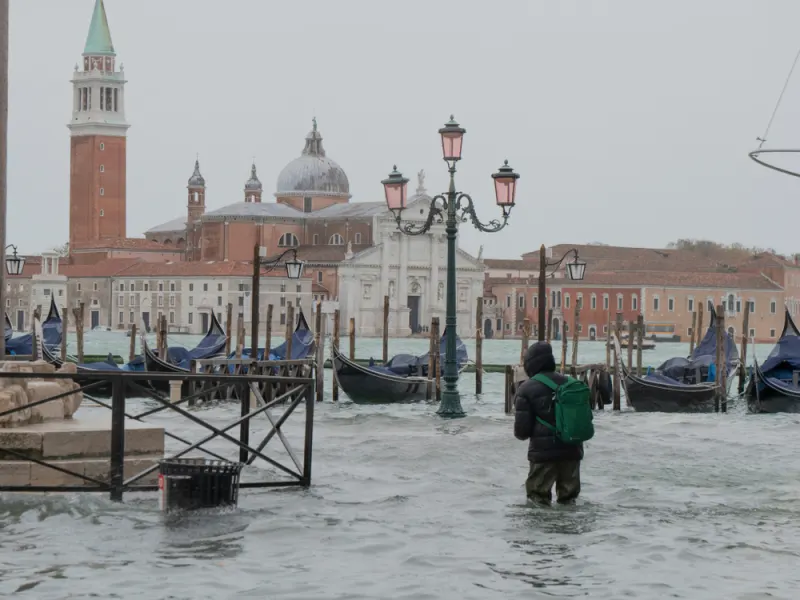
Climate change poses a significant threat to the world's coastal cities, as rising sea levels, extreme weather events, and other environmental factors put them at risk of disappearing. While efforts are being made to mitigate and adapt to these challenges, some cities face a bleak future and are projected to vanish by 2100. Today, we’ll explore five cities that are at the forefront of this alarming trend, discussing the factors contributing to their potential disappearance and the implications of their loss.
1. Venice, Italy
Venice, renowned for its picturesque canals and historic architecture, is facing a dire future due to rising sea levels. Situated on a lagoon, the city has been gradually sinking for centuries. However, the acceleration of sea-level rise exacerbates the issue, posing an existential threat to the city. The combination of subsidence, erosion, and flooding has led experts to predict that Venice could be uninhabitable within this century. Efforts to protect the city include the MOSE project, which aims to construct barriers to prevent high tides from inundating the city. However, the long-term viability of such measures remains uncertain.
2. New Orleans, United States
New Orleans, known for its vibrant culture and jazz heritage, faces a significant threat from climate change. Located below sea level and surrounded by water, the city is highly vulnerable to hurricanes and coastal erosion. The devastating impact of Hurricane Katrina in 2005 highlighted the city's susceptibility to extreme weather events. Despite extensive rebuilding efforts, New Orleans remains at risk, with sea-level rise and land subsidence exacerbating the threat. Without adequate protective measures, such as coastal restoration and improved levee systems, New Orleans could face the grim reality of disappearing within the next century.
3. Jakarta, Indonesia
Jakarta, the capital city of Indonesia, is sinking at an alarming rate. The combination of excessive groundwater extraction, inadequate infrastructure, and rising sea levels has caused significant subsidence, putting the city's future in jeopardy. Jakarta is home to over 10 million people, and its sinking poses severe risks to both human lives and critical infrastructure. Efforts to address the issue include a massive seawall project and the relocation of the capital to a more sustainable location on the island of Borneo. However, the magnitude of the challenges and the urgency of action needed make Jakarta's disappearance by 2100 a real possibility.
4. Miami, United States
Miami, Florida, renowned for its vibrant beaches and cultural scene, faces an existential threat from rising sea levels. The city sits on porous limestone, which allows water to penetrate beneath the surface, exacerbating the impact of sea-level rise. Miami is already experiencing increased flooding, particularly during high tides and storms. Climate models project that significant portions of the city could be underwater by 2100. Efforts to protect Miami include raising roads, improving drainage systems, and implementing stricter building codes. However, the long-term viability of the city remains uncertain, and the potential loss of Miami would have significant economic, social, and environmental implications.
5. Tokyo, Japan
Tokyo, the capital city of Japan, is confronted with multiple climate-related challenges that could jeopardize its future. The city is vulnerable to both sea-level rise and the increased frequency of typhoons, which pose significant risks to its coastal areas. Furthermore, Tokyo is susceptible to earthquakes and tsunamis, adding another layer of vulnerability. While Japan has a long history of disaster preparedness and infrastructure resilience, the magnitude of the challenges posed by climate change raises concerns about the long-term sustainability of Tokyo. The city is implementing various measures to mitigate risks, including building seawalls, improving evacuation procedures, and investing in renewable energy. However, the combined effects of climate change and geophysical hazards make the disappearance of Tokyo a possibility by 2100.