Beautiful But Deadly Flowers
Flowers are often associated with beauty, fragrance, and serenity, but there exists a fascinating array of blooms that possess a darker side. These seemingly innocent flowers conceal deadly secrets, w...
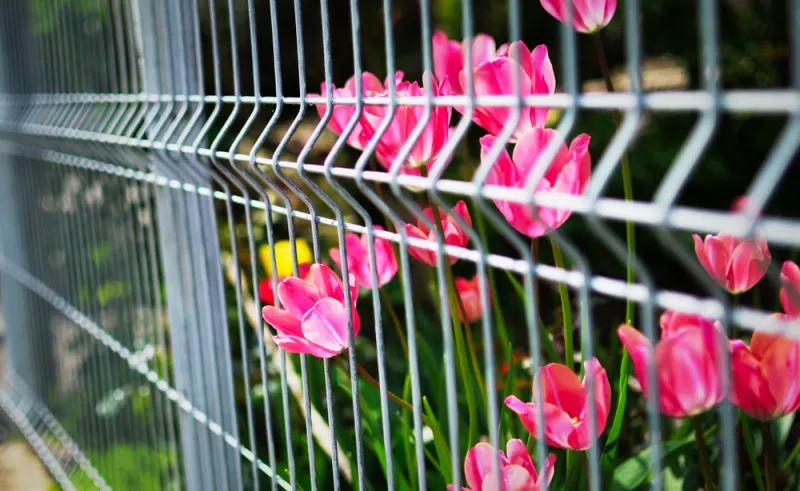
Flowers are often associated with beauty, fragrance, and serenity, but there exists a fascinating array of blooms that possess a darker side. These seemingly innocent flowers conceal deadly secrets, with their exquisite appearances often masking toxic or lethal properties. It’s time to examine five beautiful yet deadly flowers, each of which possesses a unique allure and danger.
1. Angel's Trumpet (Brugmansia)
Angel's Trumpet is an enchanting flower known for its large, bell-shaped blooms that hang gracefully from the plant. Native to South America, this flower exudes an alluring fragrance, making it a favorite in gardens. However, every part of the angel's trumpet contains tropane alkaloids, powerful toxins that can cause hallucinations, paralysis, and even death if ingested in high quantities. Despite its perilous nature, the angel's trumpet continues to captivate with its ethereal beauty.
2. Oleander (Nerium Oleander)
Oleander is a visually striking flowering shrub that boasts clusters of vibrant, funnel-shaped blooms in various shades of pink, red, white, and yellow. Native to the Mediterranean region, oleander is a popular choice in gardens and landscaping due to its hardiness and showy appearance. However, this seemingly innocuous plant is highly toxic. All parts of the oleander, including its flowers, leaves, and sap, contain cardiac glycosides, which can cause severe cardiac arrhythmias and even death if ingested. Despite its deadly reputation, the oleander's visual appeal continues to make it a sought-after ornamental plant.
3. Castor Bean (Ricinus Communis)
The castor bean plant is known for its large, tropical-looking leaves and attractive seed pods. Native to Africa and Asia, it is cultivated for various purposes, including the production of castor oil. However, the seeds of the castor bean contain ricin, a highly toxic protein. Ingesting even a few seeds can be lethal to humans, as ricin inhibits protein synthesis in cells, leading to organ failure. Despite its deadly potential, the castor bean plant is cultivated in some regions for its ornamental value. Its striking foliage and intriguing seed pods make it a popular addition to gardens, providing a visual spectacle with an underlying peril.
4. Death Camas (Zigadenus Spp.)
Death Camas is a wildflower found in North America, known for its clusters of delicate, white flowers that resemble those of the lily family. However, this innocuous appearance belies its deadly nature. The entire death camas plant is highly toxic, containing alkaloids that can cause nausea, seizures, respiratory failure, and, in severe cases, death if ingested. The ironic beauty of death camas serves as a reminder that not all flowers can be admired without caution. Its presence in nature reminds us of the complex relationships between beauty and danger.
5. Water Hemlock (Cicuta Spp.)
Water hemlock is a wildflower found in wetland areas across North America and Europe. It displays clusters of small, white flowers arranged in umbrella-like clusters. Despite its delicate appearance, water hemlock is considered one of the most toxic plants in the world. It contains cicutoxin, a potent neurotoxin that affects the central nervous system, leading to seizures, respiratory paralysis, and, in high doses, death. The allure of water hemlock's delicate blossoms belies the danger lurking within. Its inclusion in our list serves as a poignant reminder that not all captivating flowers should be approached without knowledge and caution.