Antarctica's Most Fascinating Creatures
Antarctica, the icy and inhospitable continent located at the southernmost part of the Earth, is home to a remarkable array of wildlife that has adapted to its extreme conditions. Despite the harsh en...
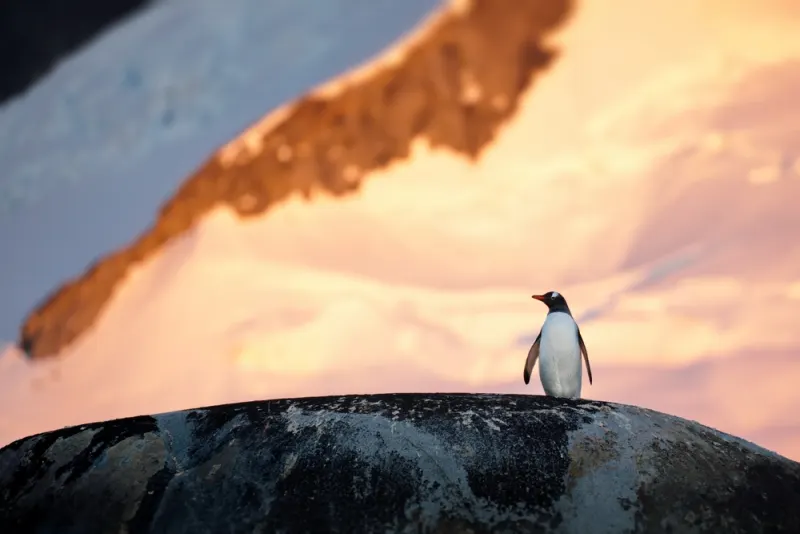
Antarctica, the icy and inhospitable continent located at the southernmost part of the Earth, is home to a remarkable array of wildlife that has adapted to its extreme conditions. Despite the harsh environment, Antarctica is teeming with unique and fascinating creatures that have captured the interest of scientists and nature enthusiasts alike. And in this article, we’re going to dive into the icy depths of Antarctica to explore five of its most captivating and extraordinary creatures. From the formidable predators to the resilient survivors, these animals showcase the incredible adaptability and resilience required to thrive in one of the most challenging environments on the planet.
1. Emperor Penguin - Masters of Survival
The Emperor penguin, the largest of all penguin species, is an iconic symbol of Antarctica. These remarkable birds have evolved impressive adaptations that allow them to survive in extreme cold and darkness. They form massive colonies, enduring temperatures as low as -40 degrees Celsius, and undertake extraordinary journeys to breed and raise their chicks. With their distinctive black and white plumage and their endearing waddle, Emperor penguins captivate the hearts of those fortunate enough to witness their unique behaviors. Emperor penguins have remarkable diving abilities, capable of reaching depths of over 500 meters and staying submerged for up to 20 minutes. They feed on fish, krill, and squid, relying on their streamlined bodies and tightly packed feathers to navigate the frigid waters. Despite the challenges they face, Emperor penguins have evolved an intricate social structure and a remarkable level of parental care, with males incubating the eggs while females embark on arduous journeys to bring back food for their chicks.
2. Weddell Seal - A Master of the Underwater World
The Weddell seal, named after British sealing captain James Weddell, is a fascinating inhabitant of Antarctica's icy waters. These seals possess a range of adaptations that enable them to thrive in the extreme conditions of their environment. With their thick blubber layer, they are well-insulated against the freezing temperatures, while their streamlined bodies and efficient circulatory system allow them to navigate the icy depths with ease. Weddell seals are renowned for their remarkable diving abilities, descending to incredible depths of up to 600 meters and holding their breath for up to an hour. They feed on a diet of fish and squid, often hunting beneath the ice in complete darkness. Weddell seals also have a unique vocalization repertoire, producing a wide range of sounds that are believed to play a role in communication and finding mates.
3. Antarctic Krill - The Foundation of the Food Web
Antarctic krill, small shrimp-like crustaceans, form the foundation of the Antarctic food web and play a crucial role in the ecosystem. Despite their diminutive size, these tiny creatures exist in astounding numbers, with estimates suggesting a population of billions. Antarctic krill undertake extensive vertical migrations, traveling from the depths of the ocean to the surface each day, feeding on microscopic algae and other tiny organisms. These small crustaceans are a vital source of food for a wide range of Antarctic species, including whales, seals, penguins, and seabirds. They have also attracted attention for their potential as a sustainable and nutrient-rich food source for humans. Antarctic krill possess a unique physiology that allows them to survive in cold waters, including specialized proteins that act as antifreeze agents. Their abundance and ecological significance make them a key focus of scientific research in Antarctica.
4. Antarctic Toothfish - The Mysterious Predator
The Antarctic toothfish, also known as the Antarctic cod or Dissostichus mawsoni, is a mysterious and enigmatic predator that inhabits the icy waters of the Southern Ocean. These large fish, which can reach lengths of over two meters, are known for their distinctive, sharp teeth that give them their name. They are powerful swimmers and occupy a high position in the Antarctic marine food chain. Antarctic toothfish have a slow growth rate and a long lifespan, with some individuals living for more than 50 years. Their diet primarily consists of krill, squid, and other fish, and they are known for their voracious appetite. Due to their high market value and vulnerability to overfishing, Antarctic Toothfish populations are carefully managed to ensure their long-term sustainability.
5. Snow Petrel - A Symbol of Endurance
The Snow petrel, an elegant and resilient seabird, is perfectly adapted to life in Antarctica. These small, white birds with black beaks and eyes possess a range of adaptations that allow them to survive in the harsh conditions of the continent. They nest on rocky cliffs and glaciers, enduring temperatures that can drop to -40 degrees Celsius. Snow petrels are remarkable fliers, capable of soaring over vast distances across the frozen landscape. They feed on krill and small fish, often scavenging from carcasses or feeding on the abundant marine life near the ice edge. These birds are known for their distinctive vocalizations, producing eerie, high-pitched calls that resonate across the Antarctic wilderness.