Animal Pairs People Often Confuse
Nature is full of diverse and fascinating creatures, but sometimes, certain animal species bear a striking resemblance to one another, leading to confusion among people. These similarities can result...
Nature is full of diverse and fascinating creatures, but sometimes, certain animal species bear a striking resemblance to one another, leading to confusion among people. These similarities can result in misidentification and the mixing up of animal pairs that may seem identical at first glance. In this article, we’ll take a closer look at five pairs of animals that often perplex individuals due to their shared physical features or behaviors.
1. Cheetahs and Leopards
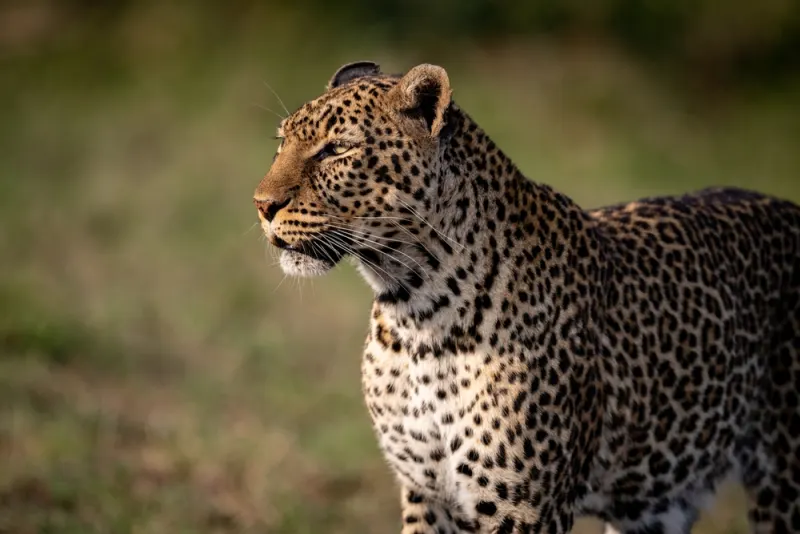
Cheetahs and leopards are both iconic big cats known for their stunning speed and agility. However, their physical characteristics and habitat preferences set them apart. Cheetahs have a slender body, a small head, and distinct black "tear stripes" running from the inner corner of their eyes to the sides of their mouth. They also possess a unique adaptation called semiretractable claws, which provide them with better grip during high-speed chases. Cheetahs primarily inhabit open grasslands and savannas, where they rely on their incredible speed to chase down prey. Leopards, on the other hand, have a stockier build, a larger head, and rosette-shaped spots on their fur. These spots are smaller and more closely packed compared to those of cheetahs. Leopards have strong climbing abilities, thanks to their muscular build and retractable claws. They are adaptable and can thrive in various habitats, including forests, mountains, and grasslands. Unlike cheetahs, leopards are known for their stealth and ability to drag their prey into trees for safekeeping.
2. Bees and Wasps
Bees and wasps are often confused due to their similar body shape and buzzing flight patterns. However, these two insects have distinct characteristics and behaviors. Bees have a more robust and hairy body, which aids in pollen collection. They are important pollinators, as they actively seek nectar from flowers and transport pollen from one plant to another. Bees typically live in social colonies and construct wax honeycombs to store honey. In contrast, wasps have a slender and smoother body, with a distinctive narrow waist connecting their thorax and abdomen. Wasps are predators and scavengers, feeding on other insects and sugary substances. Some wasp species are solitary, while others live in small colonies. Unlike bees, wasps do not produce honey and are less effective as pollinators. Wasps are also often associated with more aggressive behavior, although some species, like the commonly misunderstood solitary mud dauber wasp, are relatively harmless to humans.
3. Alligators and Crocodiles
Alligators and crocodiles are large, formidable reptiles found in freshwater habitats, leading many to confuse them. While they share similarities, several key characteristics differentiate these two reptilian species. One notable distinction is in their snout shape. Alligators have a broader, U-shaped snout, whereas crocodiles possess a longer, more V-shaped snout. This variation in snout shape is linked to differences in diet and habitat preferences. Another distinguishing feature is visible when the reptiles' mouths are closed. Alligators have teeth that are mostly hidden when their jaws are shut, except for their upper teeth that are visible. In contrast, crocodiles have interlocking teeth that are visible when their mouths are closed, as both upper and lower teeth protrude. In terms of habitat, alligators tend to prefer freshwater environments like swamps and marshes, while crocodiles are more adaptable and can thrive in both freshwater and saltwater habitats.
4. Alpacas and Llamas
Alpacas and llamas are domesticated South American camelids that resemble each other, leading to confusion between the two. However, several distinctions set them apart. Alpacas are smaller than llamas and have a more compact and stocky build. They are primarily bred for their luxurious fleece, which is known for its softness and warmth. Alpacas also have a distinctive hairstyle, with a tuft of fluffy fiber covering their forehead. In contrast, llamas are larger and have a more robust frame. They are typically used as pack animals and are valued for their strength and endurance. Llamas have a longer face and a straighter profile compared to alpacas. They are often utilized in agriculture to carry heavy loads and are known for their calm temperament. Both alpacas and llamas have been domesticated for thousands of years and play significant roles in the Andean cultures of South America.
5. Turtles and Tortoises
Turtles and tortoises are often confused due to their shared reptilian characteristics and their ability to retract their heads and limbs into their protective shells. However, several distinguishing features can help differentiate between the two. Turtles are adapted for aquatic environments, with webbed feet or flippers for swimming. They have streamlined shells, enabling them to move efficiently in water. Turtles' diets typically consist of aquatic vegetation, small invertebrates, and fish. In contrast, tortoises are exclusively land-dwelling reptiles. They have sturdy, dome-shaped shells that provide protection against predators. Tortoises have stout, elephantine limbs suited for walking on land. Their diets primarily consist of grasses, plants, and shrubs. Unlike turtles, tortoises cannot swim and are not adapted for aquatic habitats.