Facts About the Digestive System That'll Scare You
We often take our digestive system for granted, but the truth is, it's an incredibly complex and fascinating system that keeps our bodies nourished and functioning properly. However, there are some le...
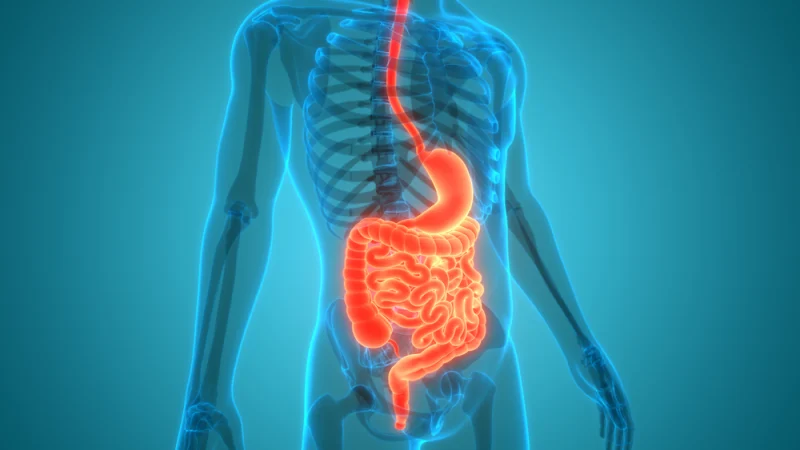
We often take our digestive system for granted, but the truth is, it's an incredibly complex and fascinating system that keeps our bodies nourished and functioning properly. However, there are some lesser-known facts about the digestive system that might give you pause. From strange phenomena to potential health risks, let's dive into five facts about the digestive system that'll make you think twice before taking that next bite.
1. The Gut-Brain Connection
Did you know that your gut has its own nervous system? It's called the enteric nervous system (ENS), and it's often referred to as the "second brain." The ENS consists of a network of neurons lining your gastrointestinal tract, and it communicates with your brain through a series of chemical signals. This means that your gut and brain are constantly in communication, influencing each other's functions and impacting your overall well-being. But here's the scary part: studies have found that imbalances in the gut microbiome (the trillions of bacteria residing in your gut) can affect your mental health. Research suggests that disruptions in the gut microbiome may contribute to conditions such as anxiety and depression. So, taking care of your gut health isn't just about avoiding tummy troubles; it's essential for your mental well-being too.
2. The Gallstones Gamble
Gallstones are small, hard deposits that form in the gallbladder, a small organ located beneath the liver. While most people with gallstones don't experience any symptoms, they can cause serious complications. One of the most frightening aspects of gallstones is their potential to trigger excruciatingly painful episodes known as gallbladder attacks. During a gallbladder attack, a gallstone gets stuck in the bile duct, blocking the flow of bile from the gallbladder to the small intestine. This causes intense abdominal pain, often radiating to the back and shoulder blades. The pain can last for hours, leaving the sufferer writhing in discomfort. In severe cases, a gallstone can even lead to inflammation and infection of the gallbladder, requiring emergency medical intervention. So, if you thought gallstones were harmless pebbles, think again—they can be a nightmare waiting to strike.
3. Acid Reflux Woes
We've all experienced that uncomfortable burning sensation in our chest after indulging in a spicy meal or a late-night snack. This fiery sensation is known as acid reflux, and it occurs when stomach acid flows back into the esophagus, the tube that connects the throat to the stomach. While occasional acid reflux is common and usually harmless, chronic acid reflux can lead to a condition called gastroesophageal reflux disease (GERD). GERD is more than just a case of occasional heartburn—it can cause severe complications. The constant exposure of the esophagus to stomach acid can result in inflammation, ulcers, and even precancerous changes in the lining of the esophagus. Long-term untreated GERD can increase the risk of developing esophageal cancer, which is a truly terrifying prospect. So, the next time you reach for that third helping of spicy buffalo wings, remember the potential consequences for your digestive health.
4. Intestinal Parasites
The thought of parasites lurking inside our bodies is enough to send shivers down anyone's spine. Unfortunately, intestinal parasites are more common than you might think. These tiny creatures can enter the body through contaminated food, water, or even skin contact with infected surfaces. Once inside, they can wreak havoc on your digestive system. Parasites such as tapeworms, roundworms, and giardia can cause a range of symptoms, including abdominal pain, diarrhea, nausea, and weight loss. Some parasites can even lay eggs inside the body, perpetuating the cycle of infection. While it's possible to treat intestinal parasites with medication, the mere thought of these creepy crawlies setting up camp in your intestines is enough to make your skin crawl.
5. The Silent Threat of Colorectal Cancer
Colorectal cancer is the third most common cancer worldwide, and it can be a silent and deadly threat. This type of cancer typically develops from polyps, small growths that form on the inner lining of the colon or rectum. Most polyps are benign, but some can turn cancerous over time. The scary part is that colorectal cancer often presents no symptoms in its early stages, making it difficult to detect. By the time symptoms appear, the cancer may have already spread to other parts of the body, making it harder to treat. That's why regular screenings, such as colonoscopies, are crucial for early detection and prevention. Remember, knowledge is power when it comes to protecting yourself against this frightening disease.